

Academic success doesn’t exactly prepare you for real life, the challenges you’ll face, how you’ll stand up for yourself, or support others in the right way. Universities teach you knowledge about a specific field. But there’s very little that translates to everyday living. And that’s very important today when students face unique challenges.
Advocacy helps bridge/fill that gap. You can learn through advocacy how to speak up for someone’s needs and for their rights, which is such a useful skill.
Learning advocacy early equips young people, students, and those who are just starting to enter life after leaving the classroom with valuable skills; skills that’ll boost independence, critical thinking, and give them a sense of responsibility.
The point is to prepare them to handle real-life situations as well as they can.
What are Advocacy Skills?
Let’s first get this out of the way, just so you follow, in case you aren’t sure what advocacy is. If you do know, you can skip this part.
Advocacy (Merriam-Webster Dictionary): “the act or process of supporting a cause or proposal: the act or process of advocating”
| What these fancy words mean is that advocacy means speaking or acting for others.
Since self-advocacy and advocacy are sometimes used interchangeably, let’s clarify this one as well. Self-advocacy means speaking or acting for yourself. |
Both are very important. But in this article, we’re talking about skills.
So, what are advocacy skills, or better yet, what are self-advocacy skills? Let’s go over a few examples.
Advocacy skills examples:
- Persuasion
- Active listening
- Negotiation
- Public speaking
- Research/Analysis (critical thinking)
So, what are self-advocacy skills?
Self-advocacy skills examples:
- Clear Communication
- Confidence
- Problem-solving
- Decision-making
- Assessment (critical thinking)
Now that that’s out of the way, let’s go over why it’s important for you to learn advocacy ASAP, and these will make your life so much better.

Helping Students Develop Their Self-Advocacy Skills
Self-advocacy starts by being aware of your personal strengths, but also your weaknesses. One of the most valuable things a parent can teach their children is how to communicate clearly/effectively in a respectful manner. When they gain those skills, they’ll use them in school, but also later in life.
Parents and tutors can encourage self-advocacy in more than one way:
- Encourage Reflection – Help students find out what works and doesn’t work in the learning process. Reflection notebooks or regular check-ins are a good approach to build self-awareness.
- Develop Communication Skills – Give them example situations where they need to ask for clarification. They need to learn how to express their concerns properly.
- Set Goals Together – Show students how to set realistic academic and personal goals and work out a step-by-step plan to achieve them.
Advocacy Beyond the School
Compared to other skills, advocacy stands out a lot. That’s because not one of those skills stays in the classroom. It’s one that they start using immediately as they leave the classroom.
Here are a few examples:
- Assisting a fellow student with understanding a difficult-to-grasp concept
- Speaking out against bullying or unfair treatment
- Participating in community service activities related to neighborhood needs
These experiences will help each student to nurture empathy and prepare them to recognize injustice in every context.
As students get more mature and step outside of school environments, advocacy naturally becomes part of their interactions in workplaces, communities, and relationships with others, even friends and family.
Why Advocacy Matters Across Generations
Advocacy becomes crucial when families have to make decisions like caring for elderly parents. Just as children learn to be heard in school, adults can get into a situation where they need to advocate for the well-being and rights of their senior loved ones.
Here’s an example: no matter how much children would love to take care of their parents, sometimes, the best option for them is a long-term care facility. It sounds horrible. But it isn’t. And actually, it’s one of the best decisions they can make for their parents in that situation.
Making sure your loved one is treated with care, respect, and dignity requires advocacy. Getting your rights in nursing homes does not always come easily, and it may even require professional legal services.
If neglect or abuse might be happening, families have to hire a nursing home abuse attorney to protect their loved one’s rights and pursue justice. And while the compensation that may follow is nice, it’s the forced change to the institution that is the real win.
In this context, the lessons learned early in life about standing up for oneself and others prove to be priceless. Adults who developed advocacy skills when they were young are often better prepared to find their way through complex systems like healthcare, insurance, and elder care.
Another place where advocacy skills are critical is the workplace. In order to speak up about concerns for safety, fair pay, and unethical practices, you have to be confident and have the ability to present arguments based on evidence. Those who have practiced advocacy throughout their lives have a better chance of contributing to healthier, more equitable work cultures.
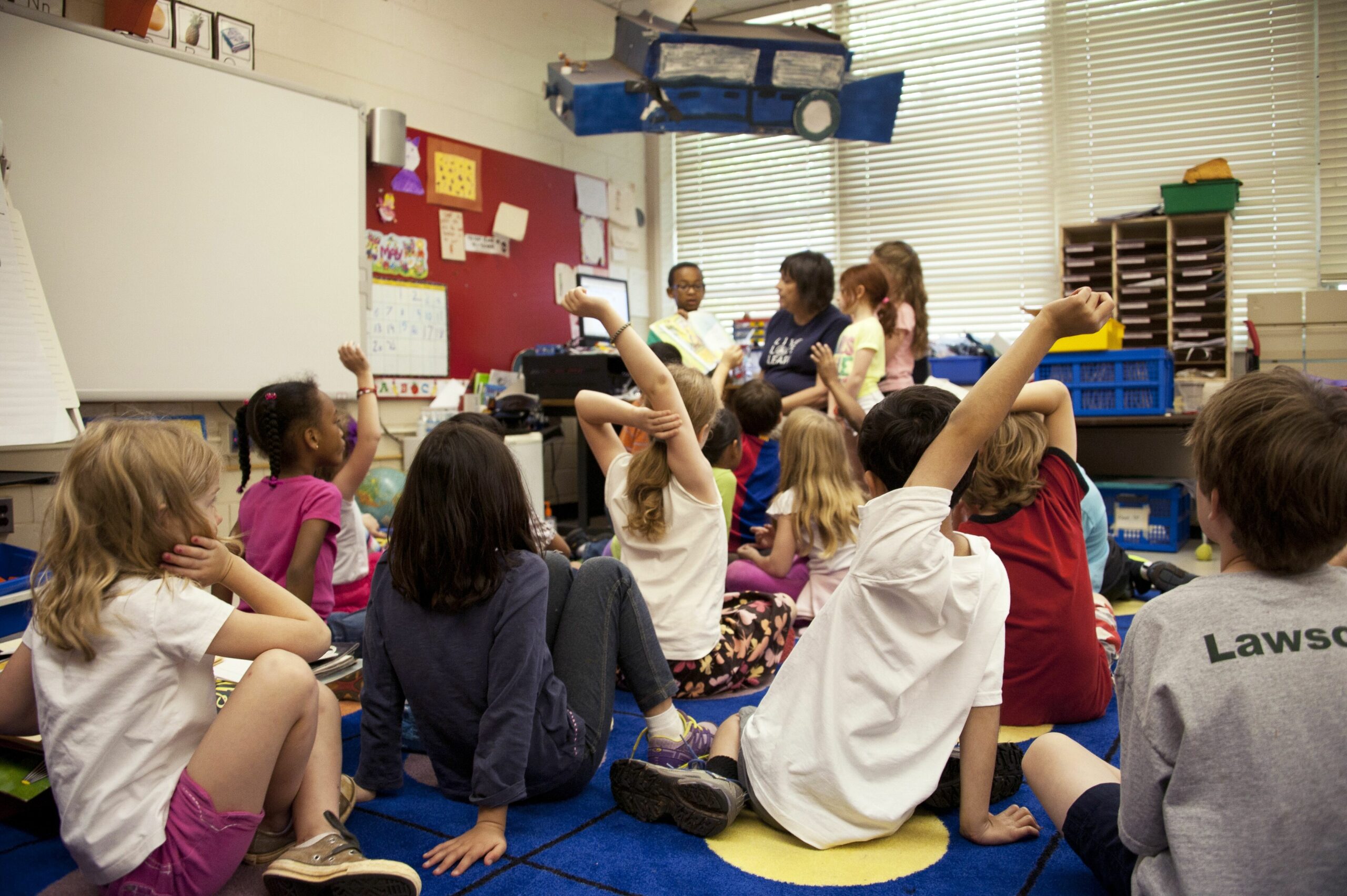
4 Basic Advocacy Skills to Teach Students
To prepare them for success, focus on these fundamental advocacy skills for students first:
- Active Listening – Knowing how to really hear what someone’s saying builds more informative arguments.
- Critical Thinking – Analyzing situations objectively is the key to making fair choices.
- Communication – Expressing concerns clearly and constructively.
- Resilience – Not giving up no matter what challenges are and finding constructive solutions.
These skills are great for schooling, but they are even more important later in life, in family relationships, business, and all other social interactions.
Learning to resolve conflicts calmly and effectively is beneficial for every relationship you build.
In addition to these ‘basic skills’, students also heavily benefit from learning assertiveness, which helps them voice their opinions in a confident way, but without sounding overly aggressive or arrogant.
Empathy is another skill that should be learned. Empathy encourages students to consider other perspectives while advocating for themselves.
Combined, these abilities create well-rounded, powerful personalities capable of influencing positive outcomes in almost any environment.
How Families and Communities Can Support Advocacy
Parents and educators who lead (and teach) by example will provide you with the best lessons. These kinds of lessons usually stay with you for life.
These are some of the ways to encourage it:
- Involve Children in Decision-Making – They need to have space to speak up in discussions about rules, chores, or schedules. (age-appropriate subjects)
- Model Problem-Solving Together – Work together to solve real-life problems and find solutions as a family.
- Connect to Community Organizations – Speak about how great it is to participate in youth councils, volunteering, or leadership workshops.
Communities that support advocacy raise generations of individuals who care about justice and are willing to fight for others. It’s not just about helping students get through the day; it’s about giving them the tools to lead in the workplace, communities, and society.
You can’t overstate the role of communities. Schools, neighborhood groups, and even local governments can work together to create programs that encourage young people to participate. This could include youth advisory councils, internships in civic organizations, or community service projects that require young people to interact with all kinds of groups.
Parents who model advocacy in their own lives show children that speaking out is not just something acceptable but that it’s absolutely necessary.
These examples make advocacy something normal and a part of daily life. It also provides young people with practical frameworks to draw upon.
Conclusion
Advocacy isn’t just a skill – it’s a mindset. An attitude. That attitude helps individuals to make a positive impact. Teaching advocacy at a young age can be very helpful in school, help them be an active member in their community, and overcome the challenges of adulthood with confidence.
Start building these skills today to prepare students for a world where their voices matter.