Educating students about Black history is a big responsibility for teachers across America. Schools and colleges are not just repositories of information but also transformative institutions that have the power to change society. If we truly want to go about improving the future, we cannot ignore the past and the lessons that can be learned from it. Understanding race relations and the history of the Black community plays a defining role in shaping how America moves forward. Educating the current and next generation on these aspects is the first step to creating a more equal society.
There is a good deal of insight to be gained by learning about the treatment of the history of the Black community. Their struggles and successes are a vital part of America’s story that every student would benefit from learning. In this article, we are going to look at how you, as a teacher, can educate your students on Black history. We will look at some of the major themes and topics to focus on in your lessons. We will also explore some interactive classroom activities and impactful resources that you might find useful.
Why is it Important to Teach Students About Black History?
Gen Z is the first generation to be born in a world where the internet and technology are easily accessible. One might assume that young people would make use of the wealth of information available online. Sadly, this isn’t the case. The use of technology for entertainment purposes, such as gaming and social media, is at an all-time high and is often a major distraction for students. Even if students took an interest in history, it has become difficult to find trustworthy information on the internet these days.
Young people are often at risk of being misinformed. Topics related to race and the Black community are often discussed in misleading ways. A common example would be how some people cite crime statistics taken out of context. It is easy for students to be misled by online discourse and even become radicalized and bigoted. As a teacher, you have the opportunity to help educate children in such a way that they grow up to create a more inclusive society.
Black History Month: Combining Celebration of Black Culture with Education
Every February, schools across the U.S. dedicate the month to raising awareness of Black culture and history. Younger students particularly love celebrating things, so this can be a great time to start talking about the topic. Many schools arrange field trips to museums like the National Civil Rights Museum in Memphis or the National Underground Railroad Freedom Centre in Cincinnati. Despite how insightful these trips can be, not every school has the budget for such trips. Even if field trips are not possible, a number of museums offer virtual tours, which are a good alternative. Still, there are several other ways to celebrate Black History Month and educate students right inside the classroom.
For older students, documentary screenings can be a great option. You would need to carefully pick one, though. You want the content to be suitable enough to have them introspect and have discussions later on in class. 13th (2016) is a particularly good pick if you want to focus on the history of racial inequality. PBS has a good list of documentaries that can be worth perusing for more options. For younger students, a family-friendly movie that addresses Black history is likely to hold their interest more than a documentary. Films like Hidden Figures (2016) or Selma (2014) are captivating and inspiring to watch. Film and documentary screenings are great options to create awareness about the injustices that the Black community has experienced throughout history.
While Black History Month is an ideal time to educate students on the topic, it shouldn’t end there. It is important to develop a curriculum that focuses on themes of racial equality, sensitivity, and awareness throughout the entire year. Let’s explore why.

Exploring Black History: Important Topics and Themes for Teachers to Cover Throughout the Year
The history of Black people in America is complex and nuanced. With the first African slaves landing in 1619, you have over 400 years of history and culture to study. There are so many interesting figures, households, and groups that played important roles. The Lott family household is one instance with its unique connection to the underground railroad and its role during slavery abolishment. The Lotts were a Dutch, slave-owning family that owned over 200 acres of farmland. The story of the Lotts might be interesting to students due to the fact that they were one of the first white slave owners who freed their slaves in 1805, long before slavery was outlawed in New York in 1827. It is believed that several hidden rooms were constructed to help hide slaves that were trying to escape and make their way through the underground railroad. The Lott house still exists to this day. If you happen to organize a field trip, it can be a good spot to check out. However, it’s worth noting that they aren’t always open to the public.
While it would be nice to gain a comprehensive picture that covers such events, you may simply not have enough time. However, if you feel that some areas are worth learning about, you can always assign them as supplementary reading. For example, you might provide a link to a website like roadtothecivilwar.com if you so choose to assign extra reading. Websites and resources like these contain extra information about the Lott family and other topics related to pre-civil war American history.
Thus, with time being a restricting factor, it is essential that you choose topics that are impactful and insightful for students. Let’s look at some of them below.
1. A Study of African History
The history of African Americans, both in America and before the period of slavery, can be particularly insightful in educating students. Pop culture has a way of creating one-dimensional stereotypes about different races.
Learning about the richness of Black culture can help develop a newfound sense of respect, awareness, and sensitivity in students. Some of the periods that may be worth delving into would be:
- African Origins
- Pre-Colonial, Transatlantic Slave Trade
- The Civil Rights Movement
- Post-Civil Rights Movement
Even though the main focus might be the history of the Black community in America, learning about the African people, their values, and their culture prior to slavery is important. It conveys to your students that the African civilization had a rich history of its own.
2. Notable Black Figures and Their Contributions Through the Ages
There are numerous figures from the Black community that were influential in shaping American culture. These people can be found in virtually every field and discipline. You could examine contributions that these people made in their field and how they helped the Black community.
Some notable Black figures in their respective fields to focus on might be:
The field of art
- Jean-Michel Basquiat
- Kara Walker
- Kehinde Wiley
- Augusta Savage
- Faith Ringgold
The field of literature
- Toni Morrison
- Maya Angelou
- James Baldwin
- Langston Hughes
- Zora Neale Hurston
The field of science
- Neil deGrasse Tyson
- Katherine Johnson
- George Washington Carver
- Mae Jemison
- Ernest Everett Just
Learning about these great men and women serves multiple purposes. Not only do they educate your students about the value the Black community has provided to society, but they also serve as positive role models. Following their example helps youth develop important characteristics such as determination, motivation, and compassion.
3. The Impact of Systemic Racism on the Black Community
Modern society can be deceiving in the way it presents itself. On the one hand, it would appear that we no longer face open discrimination in the form of segregation. On the other hand, however, there still remains a lot of systemic racism embedded deep in many institutions and industries. For example, studies have shown that employers are less likely to respond to applications that were sent by people with “Black names.” Many Black people have to “whiten” their resumes in order to have a fair chance of getting an interview. Some of them even replace their names in favor of “white” sounding names. This is also common among the Asian community.
This sort of discrimination isn’t easily observed by the average person. The lived-in experiences in daily life can be drastically different between races. Educating students and creating awareness about systemic racism and discrimination will be one of the most important themes to focus on.
4. Modern challenges faced by the Black Community
A lot of people tend to focus on the racism of the past to the extent that they forget about the present. It is unfortunate that even to this day, the African American community faces a number of challenges. These range from a lower chance of upward mobility to severe disadvantages in terms of getting educated. According to the National Center of Education Statistics, 28% of Black men had a bachelor’s degree when compared to 40% of white men. School dropout rates are high, and young Black men are often incarcerated at far higher rates than any other race.
In several areas of everyday life, such as housing, healthcare, and banking, there is still discrimination towards Black people. According to data from the Home mortgage disclosure act Black applicants are denied mortgages at rates 80% higher than white applicants. The Black community has also suffered from a complicated history of drug and substance abuse that has contributed to poverty, gang culture, and violence. Learning about these aspects will help students understand that even in 2023, we still do not live in a truly equal society.
Implement Class Activities that Promotes Racial Awareness and Sensitivity
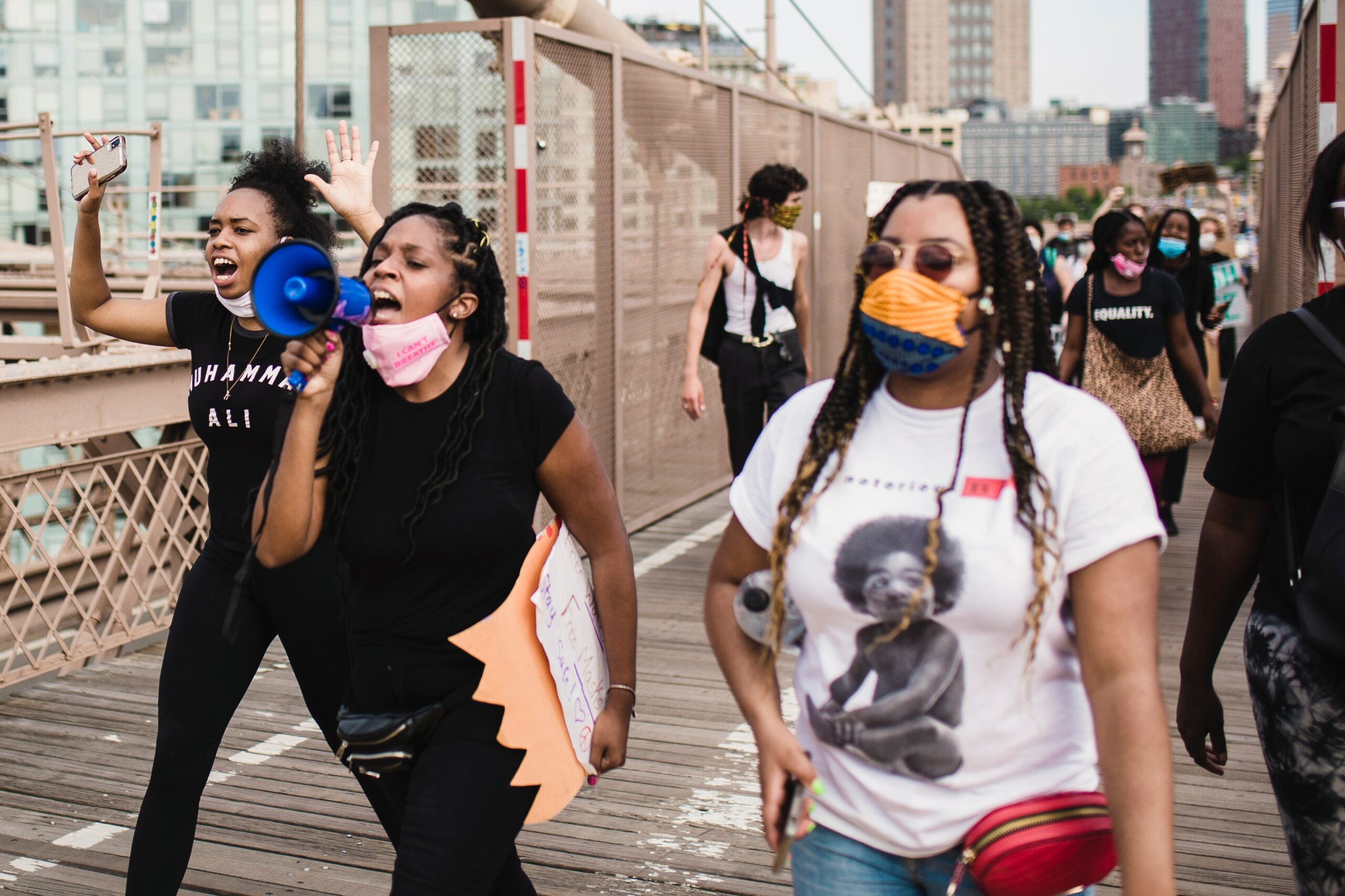
Developing well-researched lesson plans based on the topics discussed above (as well as others you feel are relevant) is but one of the many steps you will have to take to promote racial awareness and cultural responsiveness among students. Class activities will play a major role in ensuring the concepts you emphasize don’t just remain abstract in your student’s minds.
These activities are a wonderful way to push students out of their comfort zone. An added benefit of class activities is that they help students become aware of any biases they may have – consciously or unconsciously. It also helps them develop empathy and improve their awareness about racial issues and the struggles minorities face to this day.
Here are some interesting class activities that you can consider incorporating:
- Assign students to create a timeline of important events in Black history and present them in class
- Organize debates between students that explore historical or contemporary issues related to race and discrimination
- Create a Q&A session by inviting notable Black guest speakers to share their expertise in the context of being Black
- Ask students to roleplay how to react and respond if they are victims of racism or witness someone else experiencing discrimination
- Have them create an action plan of what they would like to do to create a more equal and discrimination-free society
Try to keep an eye on the news and current events involving race and find ways to incorporate them into your activities. Interestingly, many students these days are more interested and up-to-date on issues of race and social justice than their teachers. Spend some time researching recent developments to incorporate into your activities. This also keeps the experience fresh and unique each year.
Utilize Impactful Resources by Black Authors and Creators to Enhance Your Teaching and Provide Valuable Context
While there are a lot of great books on the market, relying on white authors as teaching aids might not be the best idea here. A lot of the legacy works that detail American history has their share of subtle biases. They tend to downplay or attribute the struggles that Black people have faced in history to factors other than racism. Using Black-authored resources allows for a more direct and unfiltered account that brings authenticity into the picture. Moreover, the personal experiences and stories shared by Black authors provide context that can help you understand not just the challenges faced by the Black community but also the path to overcoming struggles. Gaining such contextual knowledge will be invaluable when teaching your students.
Here are some valuable resources that can help you as an educator:
- The New Jim Crow, by Michelle Alexander
- Stamped from the Beginning: The Definitive History of Racist Ideas in America, by Ibram X. Kendi
- Between the World and Me, by Ta-Nehisi Coates
- Beloved, by Toni Morrison
- The 1619 Project, by Nikole Hannah Jones
- Nobody Knows My Name: More Notes From a Native Son, by James Baldwin
These are but some of the many Black-authored books that can help get you started. The University of California, Los Angeles, has a great selection of repositories that you can dive into for more. The Anti-Racist Resource Guide, by Tasha K, might be particularly helpful as it is frequently updated that is also organized into helpful categories.
To Sum it Up
Educating students about the rich history, contributions, and challenges that the African American community has experienced is imperative to build a better future. As a teacher, you play a key role in molding the next generation to be more inclusive. It’s important that the history of the Black community should be covered throughout the year and not just in passing.
Designing engaging lesson plans through sufficient reading of content created by Black authors will be crucial. Similarly, an interactive teaching environment with thought-provoking class activities will ensure that the knowledge you pass on will have a long-lasting impact on your students.
At WorldWise Tutoring, we believe in uplifting the voices of the Black community in our curriculum, tutoring sessions, and our actions. Because the youth we work with are our future leaders, we strive it instill in them values such as emotional intelligence and advocacy, so that they can continue to make a difference. To learn more about our services, our approach, and our tutors, visit our website.
Recognizing the need to uplift underserved communities, the Founder of WorldWise Tutoring also founded a nonprofit tutoring company, Educate. Radiate. Elevate., to provide no-cost, high-quality, one-on-one tutoring to low-income students of color. The tutors are all trained in culturally responsive and trauma-informed teaching strategies so as to best meet the needs of their students. Nominate a BIPOC student for E.R.E.’s tutoring program today!