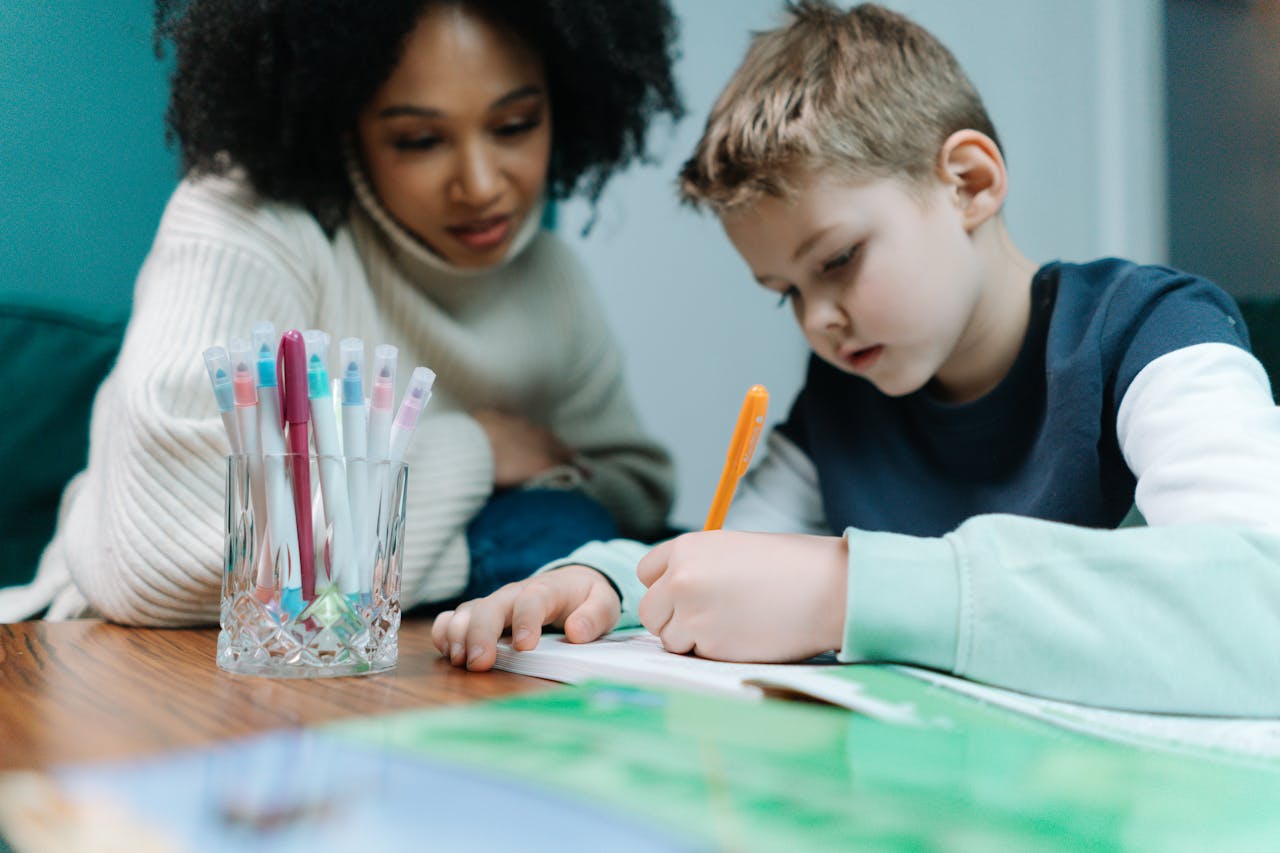

Speech therapy to enhance communication plays a vital role in a child’s development and future success. Parents often wonder if their child’s speech patterns are developing normally or if professional intervention might be necessary. Children who struggle with speech or language development may benefit from early intervention through speech therapy. In fact, if they are showing signs of babbling (even if it is limited), they might need special attention at an early age. Also, check for specific sound-forming difficulties among children. Well, Speech therapy does not only consider the way a child speak,s but it is also about their listening power. Therefore, if a child is facing trouble in following verbal instructions then that child needs speech therapy.
Every child develops at their own pace, making it challenging for parents to determine when to seek professional help. Finding the best speech therapy for kids starts with recognizing potential warning signs. When parents notice their child struggling to express themselves or having trouble being understood by others, it may be time to consult a pediatrician about speech therapy options. Early identification of speech and language difficulties allows for timely intervention, which can significantly improve outcomes. Speech therapists work with children through engaging activities and exercises designed to enhance their communication abilities, helping them develop the skills needed for social interactions and academic success.
The content here is meant for education and awareness only. Seek a medical professional’s advice for health-related concerns.
Key Takeaways
- Early intervention through speech therapy can significantly improve communication outcomes.
- Warning signs include limited babbling, pronunciation difficulties, and trouble following verbal instructions.
- Professional evaluation helps determine the most effective therapeutic approach for each child.

Understanding the Role of Speech Therapy in Early Childhood
Speech therapy serves as a crucial intervention that supports children’s communication development during their formative years. Professional speech-language pathologists use specialized techniques to enhance speech clarity, language comprehension, and social communication skills.
Relevance of Early Intervention
Early intervention through speech therapy prevents communication challenges from becoming persistent difficulties. Speech therapy between ages two and five can effectively address emerging speech and language issues before they impact academic performance.
Children who receive early speech therapy support show marked improvements in their ability to express needs, follow directions, and engage with peers.
Professional intervention during these crucial developmental years helps children master fundamental communication milestones at the appropriate age.
Key Functions of a Speech-Language Pathologist
Speech-language pathologists conduct detailed assessments to identify the specific communication challenges each child faces. They create individualized treatment plans targeting areas like articulation, vocabulary development, and social language skills.
These professionals use play-based activities to keep young children engaged while working on speech sounds and language patterns.
SLPs collaborate with parents and caregivers, providing strategies to reinforce communication skills at home. They monitor progress through regular evaluations and adjust therapy approaches as needed.
Treatment sessions focus on practical skills like:
- Clear pronunciation of speech sounds
- Building vocabulary and sentence formation
- Understanding and following directions
- Turn-taking in conversations
- Non-verbal communication skills
Therefore, the role of speech-language pathologists is undeniable if your child is facing verbal issues. While communication is the key to sharing our feelings and thoughts with others, we cannot neglect the only medium of expression. Here, the Speech-language pathologist works prominently to ensure a child can speak without difficulties. 
Identifying Early Signs of Speech and Language Delays
Early detection of speech and language difficulties enables prompt intervention and better outcomes. Parents should monitor their child’s communication development from infancy through the preschool years.
Common Speech and Language Disorders in Children
Children may experience articulation disorders, where they struggle to produce specific sounds correctly. Common issues include substituting ‘w’ for ‘r’ or ‘th’ for ‘s’.
Fluency disorders like stuttering can emerge between ages 2 and 5. Signs include repeating sounds, syllables, or words and showing tension when trying to speak.
Voice disorders may present as hoarseness, breathiness, or unusual pitch. These can affect a child’s ability to communicate effectively.
Language disorders can manifest as difficulty understanding others (receptive language) or expressing thoughts (expressive language). Children might use limited vocabulary or struggle to form complete sentences.
Recognizing Developmental and Speech Milestones
12-18 months:
- First words appear
- Follows simple commands
- Responds to their name
- Uses gestures to communicate
18-24 months:
- Uses 50+ words
- Combines two words
- Points to body parts when asked
- Shows interest in other children’s speech
2-3 years:
- Speaks in short phrases
- Understand spatial concepts
- Uses pronouns
- Follows two-step directions
Assessing Social Interaction and Communication Skills
While everyone wants to socialize and express their emotions seamlessly, there is no doubt that your child also wants to speak loudly, clearly, and firmly. However, a child’s ability to understand others’ language and engage with them socially indicates many things.
This way, they leave clues about their communication development needs. So, be attentive and concentrate on a child’s continuous development and obstacles. What are the signs that they are not socially interactive or feeling discomfort?
- Limited eye contact!
- Reduced interest in interactive or social games!
These are the signs that your child needs special attention and, to be more specific, speech therapy.
Social communication challenges might include:
- Difficulty taking turns in conversation
- Limited response to others’ emotions
- Trouble joining group activities
- Poor understanding of social cues
Watch for signs of frustration during communication attempts. Children who struggle to express themselves may become withdrawn or show behavioral changes.
Pay attention to how well your child understands and responds to questions. Difficulty following directions or frequent requests for repetition warrant professional assessment.
Conclusion
Early detection of speech and language difficulties makes a tremendous difference in a child’s development. Parents who notice signs like limited babbling, delayed word usage, or trouble following simple instructions should consult a speech-language pathologist.
Speech therapy provides children with essential tools and strategies to improve their communication abilities. Through professional intervention and targeted exercises, children can strengthen their speech, language, and social interaction skills.
Taking action when speech concerns arise gives children the best chance at developing strong communication abilities for life. Speech therapists work collaboratively with families to create personalized treatment plans that support each child’s unique needs.