Effective sensory activities play an important role in supporting autistic students by addressing their unique sensory processing needs. Tutors, educators, and caregivers who understand these needs can significantly enhance students’ ability to learn, focus, and engage comfortably in various environments.
Understanding and Supporting Sensory Needs in Autism
Children on the autism spectrum often experience heightened or reduced sensitivity to environmental stimuli, including sound, light, texture, and movement. These sensitivities can result in anxiety, discomfort, or difficulty concentrating, negatively impacting their academic and social experiences. Structured and purposeful activities help students manage their responses to sensory input. By using thoughtfully designed activities, tutors can help students better regulate their emotions, increase attention spans, and smoothly transition between different tasks or environments.
Recent trends include integrating technology such as interactive apps and virtual reality, which help regulate sensory responses. Creating customized learning spaces designed to accommodate various sensory needs is another innovation enhancing traditional methods and approaches. Tutors looking for additional practical strategies and comprehensive resources can explore effective activities for children with autism to further enrich their practice.
Additionally, understanding sensory integration—the neurological process of organizing sensory information—is crucial. This process enables individuals to respond appropriately to their surroundings. When sensory integration challenges occur, autistic students might feel overwhelmed or under-stimulated. Therefore, providing structured, sensory-focused interventions not only mitigates discomfort but also significantly improves academic performance, emotional regulation, and social skills development.
Practical Activities for Tutors
Here are several engaging activities tutors can easily integrate into their sessions:
Creating Comfortable Learning Spaces
Creating a comfortable learning space for autistic students involves incorporating sensory-friendly elements that support focus and reduce anxiety. Tutors can use soft lighting, neutral colors, and clutter-free environments to minimize sensory overload. Providing fidget tools, weighted lap pads, or textured seating can help students regulate sensory input. Incorporating movement breaks, such as stretching or using a sensory swing, can enhance engagement. Additionally, using noise-canceling headphones or gentle background music can create a calming atmosphere, making learning more accessible and enjoyable.
Visual Schedules
Clearly designed visual schedules utilizing images or symbols are invaluable tools for autistic students, as they help them anticipate and manage daily activities, significantly reducing feelings of uncertainty and anxiety. By providing a concrete representation of the day’s events, these schedules allow students to understand what to expect, fostering a sense of security and control over their routines. The regular use of visual aids not only enhances comprehension but also promotes independence, as students learn to navigate their day with greater confidence. Furthermore, visual schedules facilitate smoother transitions between activities by using familiar cues, which can lessen the stress often associated with changes in routine. By empowering students to follow along with their visual schedules, tutors can support their development of time management skills and encourage a more organized approach to daily tasks, ultimately contributing to a more positive learning environment.
Exploration Bins
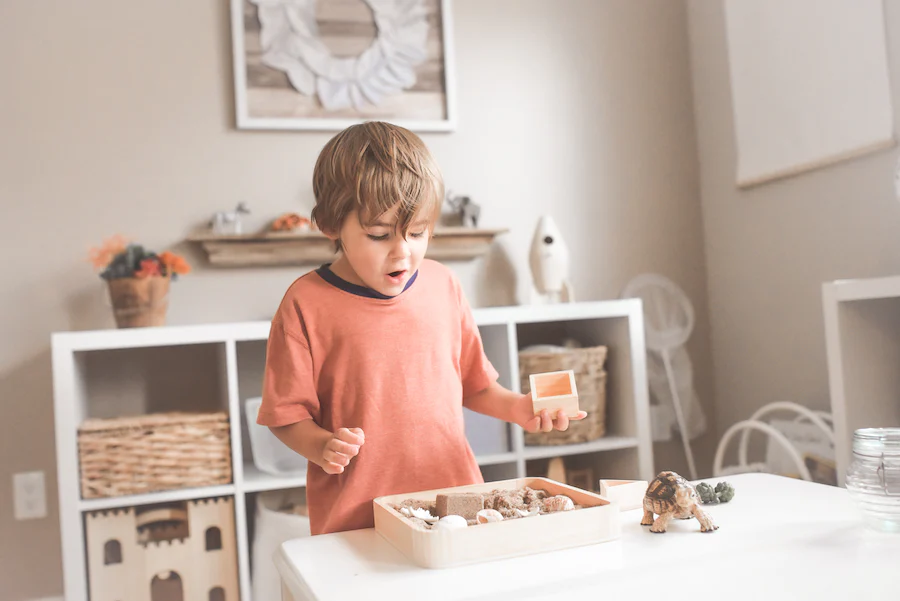
One effective sensory activity that tutors can use with autistic students is a “sensory bin” filled with various textured materials, such as rice, beans, sand, or water beads. This activity engages students in hands-on exploration, allowing them to touch, scoop, and pour the different items, which can promote fine motor skills and sensory integration. By customizing the contents of the bin to include objects that the student finds interesting or calming, tutors can create a safe and inviting environment that encourages focus and interaction. Additionally, incorporating themed elements, such as toys or figurines related to the student’s interests, can enhance engagement and foster communication skills as they describe their experiences and preferences.
Calming Bottles
Calming bottles are a popular sensory tool that can help individuals, especially those with autism, manage anxiety and self-regulate their emotions. These bottles are typically filled with water, glitter, and other visually stimulating materials, such as beads or sequins, which create a mesmerizing effect when shaken. As the contents settle, the movement provides a calming visual stimulus that can help soothe overwhelming feelings and promote mindfulness. Tutors can encourage students to use calming bottles during moments of stress or as a part of their routine, allowing them to take a moment for themselves to breathe and refocus. Additionally, the act of creating a calming bottle can be therapeutic in itself, as students can choose their colors and materials, making it a personalized tool that reflects their preferences and emotional needs.
Tactile and Textured Play
Tactile and textured play is an engaging activity that allows children, particularly those with autism, to explore various surfaces and materials, enhancing their sensory processing skills. By incorporating items such as soft fabrics, rough sandpaper, smooth stones, or squishy gels, tutors can create an enriching environment that encourages exploration and creativity. This type of play not only stimulates the sense of touch but can also foster fine motor skills as students manipulate and interact with different textures. Through activities like finger painting, playing with clay, or creating collages with textured materials, students can express themselves and develop their sensory awareness. Furthermore, tactile play can serve as a calming tool, providing a safe outlet for self-expression and helping to reduce anxiety by focusing the student’s attention on the physical sensations they are experiencing.
Movement and Physical Activities
Movement and physical activities are essential for autistic students as they provide opportunities for self-expression, social interaction, and sensory integration. Engaging in activities such as jumping, dancing, or participating in obstacle courses can help release pent-up energy, improve coordination, and enhance overall physical health. These activities can be tailored to the individual needs and preferences of each student, allowing for a personalized approach that fosters confidence and enjoyment. Incorporating rhythmic movements, such as swinging or bouncing on a trampoline, can also have a calming effect, helping students regulate their emotions and reduce anxiety. Additionally, group activities promote social skills and teamwork as students learn to communicate, share, and collaborate with their peers, creating a supportive environment that emphasizes connection and fun. Overall, movement and physical activities play a vital role in the holistic development of autistic students, encouraging both physical fitness and emotional well-being.
Auditory and Sound Activities
Auditory and sound activities can help autistic students regulate sensory input and enhance focus in a learning environment. Tutors can use calming background sounds like nature sounds or soft instrumental music to create a soothing atmosphere. Noise-canceling headphones or white noise machines can help minimize distractions for students sensitive to sound. Engaging activities such as rhythm exercises with drums or clapping patterns can support auditory processing and communication skills. Additionally, structured listening activities, like identifying sounds or following verbal instructions in a quiet setting, can improve auditory comprehension while maintaining a comfortable learning experience.
Sensory Break Stations
Sensory break stations provide autistic students with a dedicated space to self-regulate and recharge during learning sessions. These stations can include a variety of sensory tools, such as fidget items, weighted blankets, or textured cushions, to help with tactile stimulation. Noise-canceling headphones or soft background music can create a calming auditory environment, while dim lighting or visual timers can reduce sensory overload. Movement-based options like a small trampoline, rocking chair, or stretch bands allow students to release energy and regain focus. By offering a structured yet flexible space, sensory break stations help students manage sensory needs and return to learning feeling refreshed and ready to engage.

Actionable Insights for Tutors and Caregivers
Tutors can implement these strategies effectively by:
- Assessing Individual Needs: Identify specific sensitivities and preferences through careful observation and communication with families and specialists.
- Personalizing Activities: Adapt activities to match each student’s comfort and learning goals.
- Maintaining Consistency: Regular and predictable use of these activities fosters familiarity and effectiveness.
- Collaborating with Families: Engage with families, therapists, and educational teams to ensure consistent support across different settings.
- Regular Monitoring: Evaluate effectiveness regularly and make adjustments as needed based on students’ progress and feedback.
Conclusion
Integrating thoughtfully designed activities into tutoring sessions supports autistic students in navigating their sensory experiences, significantly improving their learning, social interactions, and emotional well-being. Educators and caregivers who remain proactive and informed contribute greatly to the developmental success of their students. Emphasizing sensory-friendly environments and structured interventions equips autistic students with the foundational tools to thrive academically, socially, and emotionally.
The tutors at WorldWise Tutoring have training and experience in working with students of all abilities. If your child is struggling with Autism/ASD or another learning challenge, hire an expert tutor to help!