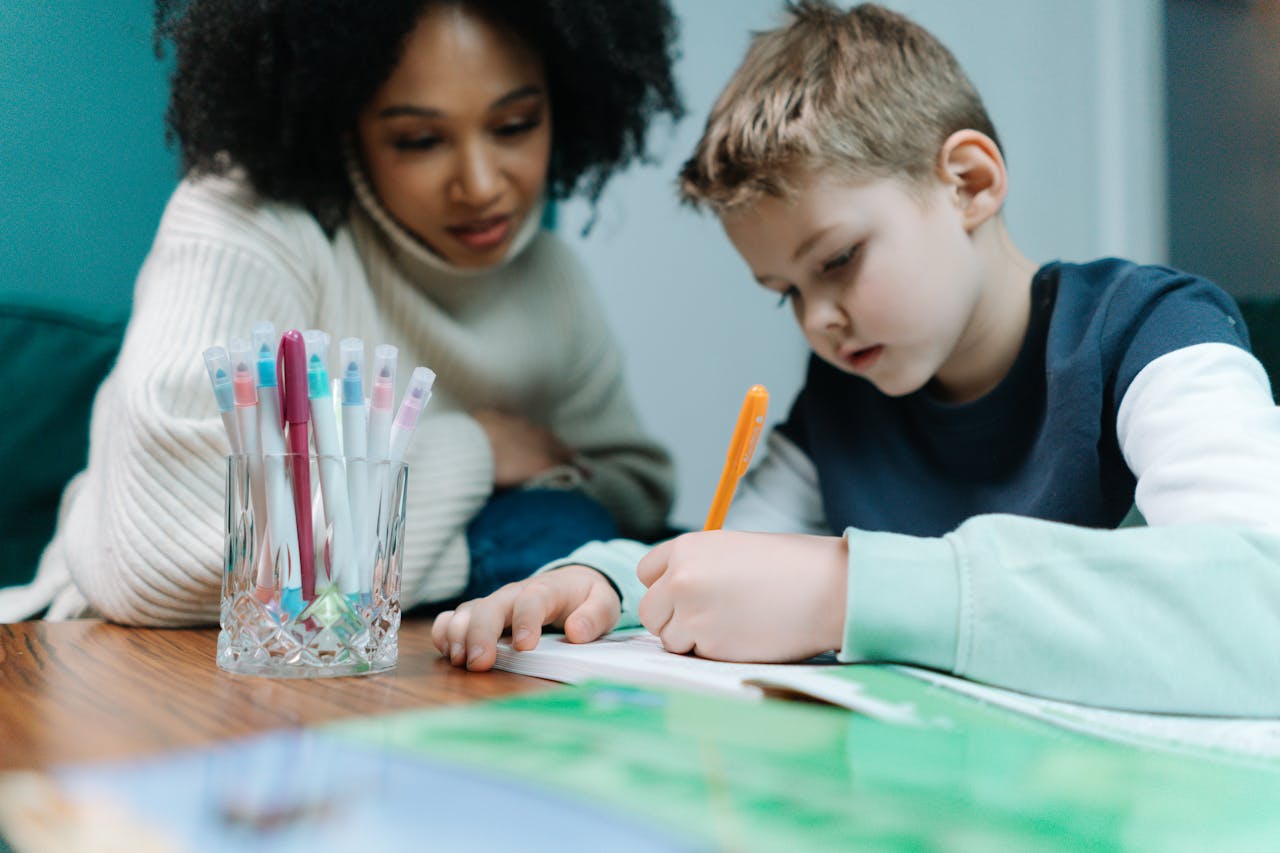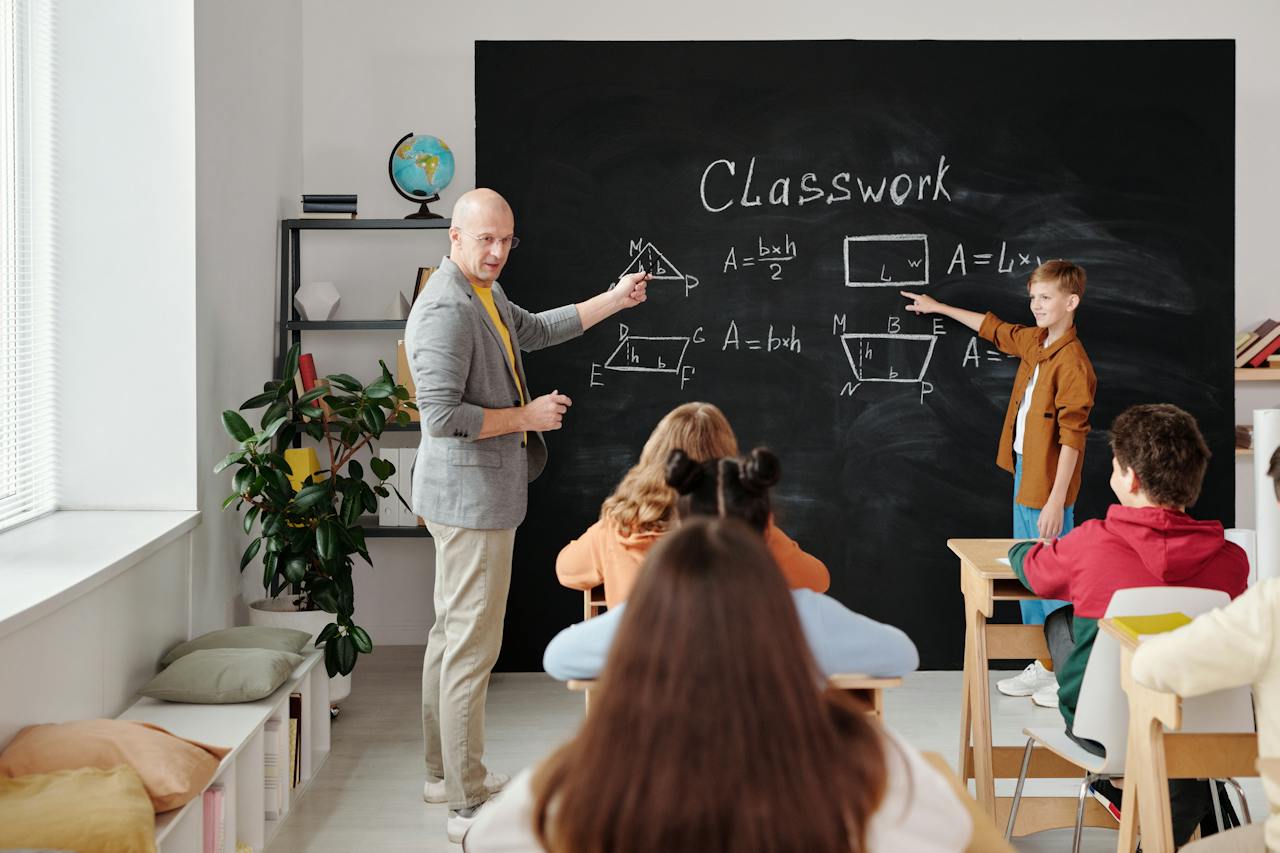
Key skills a special education teacher should develop are essential in today’s inclusive classrooms, where students with diverse learning needs learn side by side. Modern education systems emphasize equity, accessibility, and individualized support, placing special education teachers at the center of student success. These educators are not only responsible for academic instruction but also for fostering independence, confidence, and social development among students.
As classrooms evolve, so do the expectations placed on educators. Teachers must blend compassion with technical expertise, ensuring that each student receives personalized support. Whether working in specialized settings or general classrooms, mastering core competencies allows teachers to adapt, respond, and create meaningful learning experiences for all students.
Building a Strong Foundation for Modern Teaching
The responsibilities of special education teachers extend far beyond lesson planning. They must understand diverse learning profiles, legal requirements, and evidence-based teaching practices. This makes foundational training critical for long-term success.
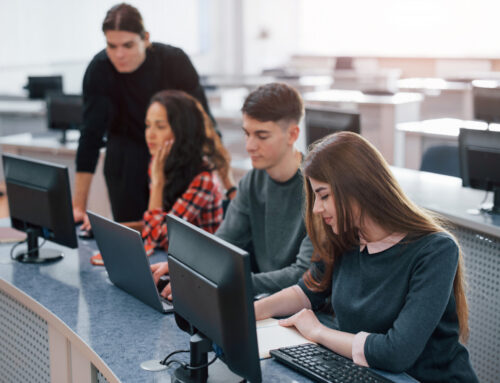
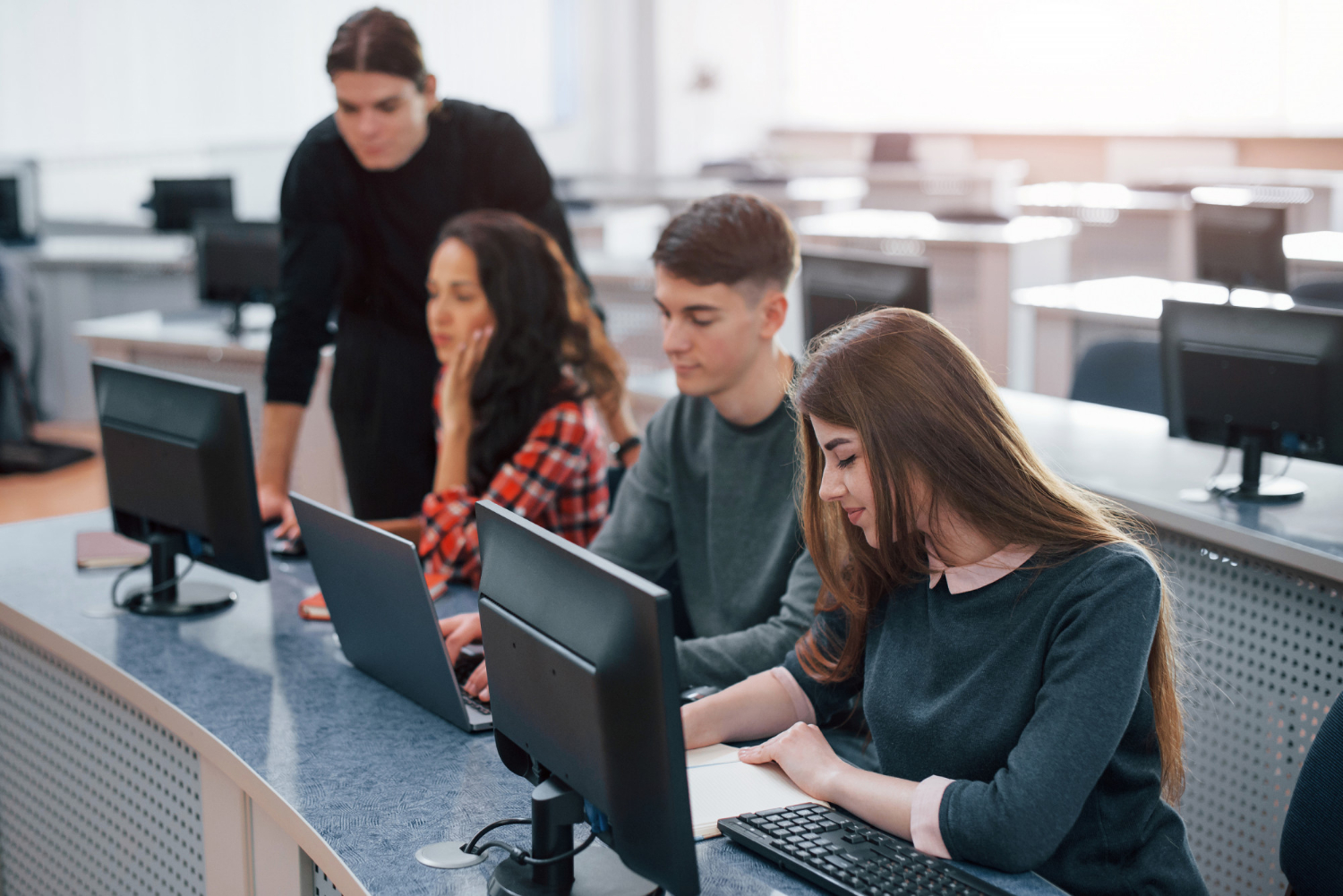
Many educators today pursue flexible learning pathways to gain these skills. Programs like a degree in special education online provide structured learning while accommodating personal and professional commitments. These programs often combine theory with practical application, helping teachers develop classroom-ready skills that align with certification standards.
A strong foundation ensures teachers enter the classroom prepared to address academic, behavioral, and social challenges with confidence and clarity.

Mastering IEP Development and Compliance
Individualized Education Programs (IEPs) are at the heart of special education. These documents outline a student’s goals, accommodations, and services, making them critical tools for personalized learning.
Teachers must develop the ability to:
- Write clear, measurable goals
- Align objectives with academic standards
- Tailor strategies to individual needs
Beyond creation, compliance is equally important. Educators must follow legal guidelines, maintain accurate documentation, and regularly monitor progress. Failure to meet these requirements can affect both student outcomes and institutional accountability.
When handled effectively, IEPs become more than paperwork—they serve as actionable roadmaps for student success.
Using Data-Driven Instruction to Guide Learning
Data plays a vital role in shaping instructional decisions. Special education teachers rely on assessments, observations, and progress tracking to evaluate student performance.
This data helps teachers:
- Identify strengths and learning gaps
- Adjust teaching strategies
- Measure progress over time
For example, if a student struggles with reading comprehension, data may indicate the need for visual aids or modified instruction. Teachers who consistently analyze data can make informed decisions that directly impact student outcomes.
Additionally, data supports communication with parents and specialists, ensuring that everyone involved remains aligned on goals and progress.
Behavioral Intervention and De-escalation Strategies
Understanding behavior is a critical skill in special education. Students may exhibit challenging behaviors due to sensory sensitivities, communication barriers, or emotional stress.
Effective teachers focus on identifying root causes rather than reacting to surface-level behavior. This approach leads to more constructive and supportive interventions.
Key strategies include:
- Positive behavior support plans
- Consistent routines and expectations
- Calm de-escalation techniques
De-escalation requires patience and consistency. Teachers must remain composed while guiding students toward appropriate behavior. This not only ensures classroom safety but also preserves student dignity.

The Importance of Collaborative Communication
Special education is a team effort. Teachers regularly collaborate with parents, therapists, administrators, and general education staff to support student development.
Strong communication skills help:
- Ensure consistency across learning environments
- Build trust with families
- Facilitate effective IEP meetings
Clear, empathetic communication is especially important when discussing student progress or challenges. Teachers who actively listen and provide transparent updates create stronger partnerships with families.
When collaboration is effective, students benefit from a cohesive support system that extends beyond the classroom.
Integrating Adaptive Technology for Inclusive Learning
Technology has transformed modern education, offering tools that enhance accessibility and engagement. For special education teachers, adaptive technology is a powerful resource.
Common tools include:
- Text-to-speech and speech-to-text software
- Visual learning aids and apps
- Interactive learning platforms
These tools help students overcome barriers and participate more actively in lessons. For instance, a student with reading difficulties may benefit from audio-based content, while another may thrive using visual supports.
Teachers must carefully select tools that align with individual needs and continuously evaluate their effectiveness. When used thoughtfully, technology promotes independence and improves learning outcomes.
Mastering Differentiated Instruction Techniques
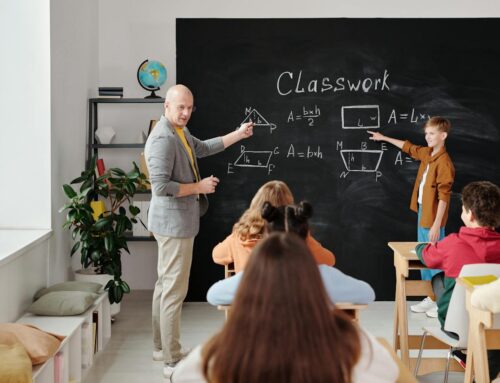
Differentiated instruction is essential in classrooms with diverse learners. Teachers must design lessons that accommodate varying abilities, learning styles, and interests.
This involves:
- Modifying content and materials
- Using varied teaching strategies
- Offering multiple ways to demonstrate understanding
For example, one student may learn best through hands-on activities, while another may prefer visual or auditory instruction. By adapting their approach, teachers ensure that every student remains engaged and challenged.
Flexibility is key. Effective educators continuously adjust their methods based on student responses and progress.
Developing Emotional Intelligence and Patience
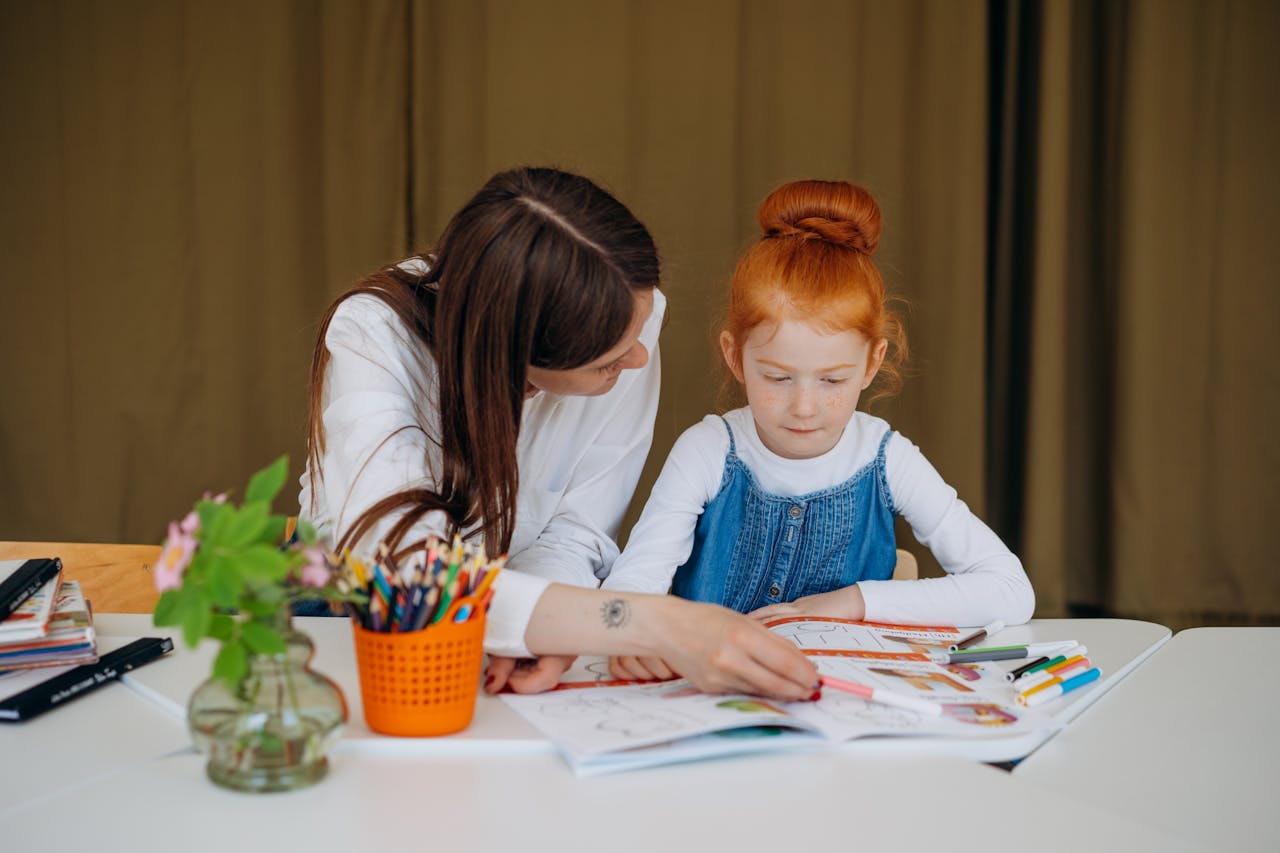
Technical skills alone are not enough. Special education teachers must also develop strong interpersonal abilities, including emotional intelligence and patience.
These qualities help teachers:
- Build meaningful relationships with students
- Respond calmly to challenging situations
- Foster a positive classroom environment
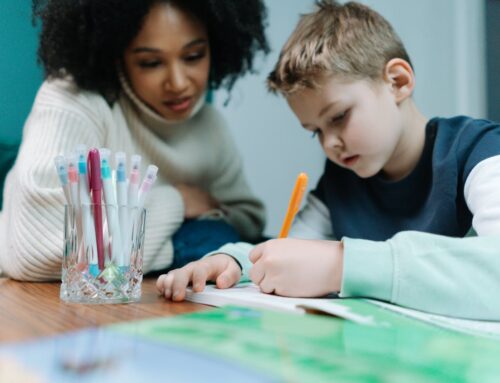
Students often rely on teachers for emotional support as much as academic guidance. Understanding their feelings and perspectives allows educators to create a safe and encouraging space for learning.
Patience is especially important when progress is gradual. Recognizing small achievements and maintaining a supportive attitude can significantly impact student confidence.
Time Management and Organizational Skills
Managing multiple responsibilities is a daily reality for special education teachers. From lesson planning to IEP documentation and collaboration meetings, effective time management is essential.
Strong organizational skills help teachers:
- Meet deadlines and compliance requirements
- Keep accurate records
- Balance instructional and administrative tasks
Using tools such as digital planners, checklists, and scheduling systems can streamline workflows. Organized teachers are better equipped to focus on what matters most—supporting their students.
Commitment to Continuous Professional Growth
Education is constantly evolving, and special education is no exception. New research, technologies, and teaching strategies continue to shape the field.
Teachers who commit to ongoing learning can:
- Stay updated with best practices
- Improve instructional effectiveness
- Adapt to changing student needs
Professional development opportunities include workshops, certifications, and advanced degree programs. Continuous growth ensures that educators remain effective and confident in their roles.
Conclusion
Key skills a special education teacher should develop go far beyond basic teaching techniques. From mastering IEP development to implementing behavior strategies and integrating technology, each skill plays a vital role in supporting diverse learners.
As inclusive education becomes the standard, the demand for skilled and adaptable educators continues to grow. Teachers who invest in both technical expertise and interpersonal development are better prepared to meet these challenges.
Ultimately, well-prepared special education teachers create environments where every student feels supported, capable, and empowered to succeed.