I. Introduction to Personalizing Language Lessons
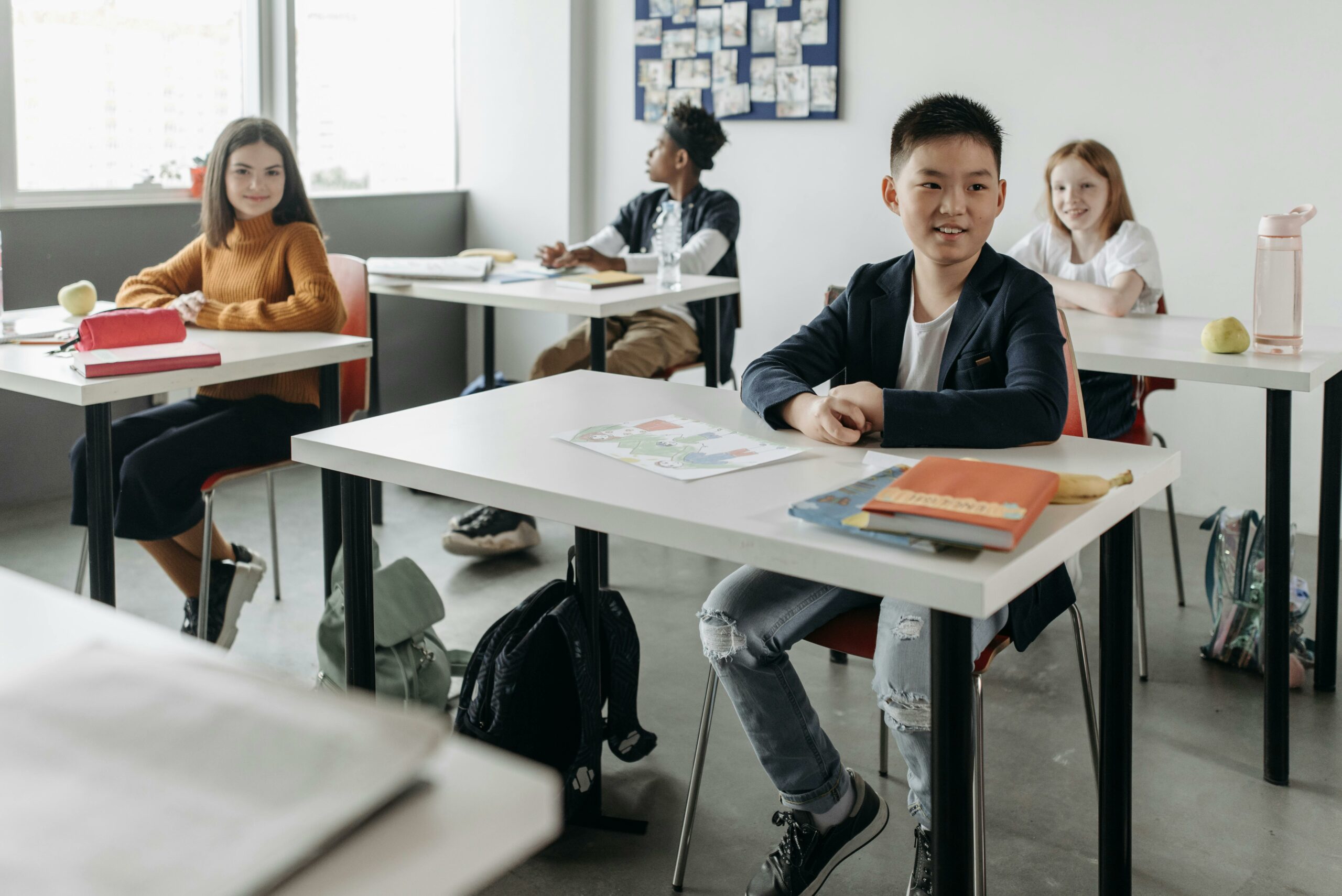
Personalize language lessons to ensure that each student gets the most out of their learning experience, regardless of how they best process information. In today’s globalized world, proficiency in multiple languages has become an advantage, giving one access to new cultures, communities, and possibilities. However, learning a new language is not always a walk in the park and is most times intimidating, particularly when learners are taught using a one-size-fits-all approach. It should be understood that each learner is unique, with their own strengths and preferences, in order to design an efficient language learning process.
Personalizing language teaching is not a pedagogical trend; it is a required practice that acknowledges the different ways individuals learn and process information. By adjusting lessons to accommodate different learning styles, instructors can create a more engaging and inspiring learning environment that enhances the retention and application of the language being learned.
By embracing the differences in learning styles, instructors can empower their learners to realize their maximum potential in learning a foreign language.
II. Understanding Learning Styles
A. Definition of Learning Styles
Learning styles are the different ways in which individuals prefer to receive, process, and store information — whether you’re learning English or math. They are typically shaped by a myriad of factors, including cognitive operations, sensory modalities, and personal experiences. The fact that learners have varying styles facilitates effective teaching, particularly in language acquisition, where interaction and comprehension are crucial to success.
B. Types of Learning Styles
- Visual Learners: Visual learners trust their vision and visualization when processing facts. They always prefer graphs, charts, diagrams, and similar graphical materials, which help with understanding concepts and relationships. Images or videos provided for this sort of learner will have a dramatically significant impact on the increase in their understanding of new vocabulary words, grammatical construction, and social context. Mind mapping and using color-coded notes can prove advantageous for these guys as well.
- Auditory Learners: Auditory learners learn through listening. They will benefit most from discussions, lectures, and auditory inputs, e.g., podcasts or target language songs. These learners will recall new words and sentences more easily if they are heard being uttered or used in conversations. Lessons involving storytelling, role-playing, and interactive conversations can be adapted to this learning style, improving understanding and recall.
- Kinesthetic Learners: Kinesthetic learners acquire knowledge through direct experience and physical movement. They typically have difficulty learning with the conventional method, which relies heavily upon reading or hearing. For such students, incorporating motion into lessons—such as enacting vocabulary words, using physical objects for language practice, or engaging in games of physical action—can significantly enhance their learning process.
C. Importance of Identifying Learning Styles
Knowing and recognizing the different learning styles of students is essential in individualizing language classes. Through the adjustment of teaching strategies to meet individual needs, instructors can create a more inclusive learning environment and enhance participation and motivation.
III. Strategies for Personalizing Lessons
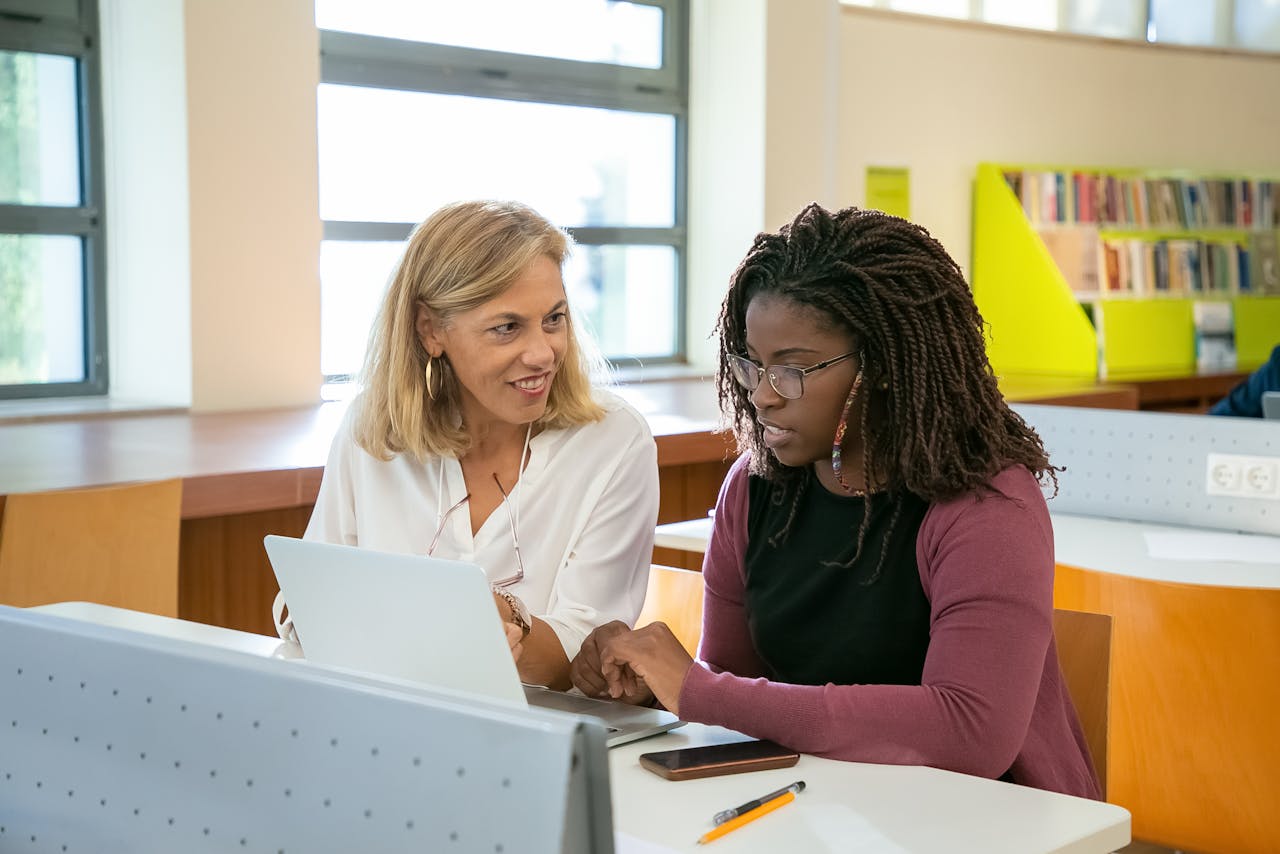
In order to truly serve the multicultural demands of learning, instructors can implement numerous strategies suitable for the varied tendencies of visual, auditory, and kinesthetic learners. To personalize language lessons effectively, teachers must use adaptive methods that boost comprehension and retention. Some of these methods can be applied to modifying language teaching:
A. Incorporating Visual Aids
Visual aids play a critical role in assisting visual learners who prefer looking at information arranged in a certain pattern.
To personalize lessons for these learners, teachers can use:
– Charts and Infographics: They may be utilized to simplify complex grammar principles or vocabulary groups to make them easier to understand. A sample includes a flowchart illustrating the verb conjugation in order to reveal how the different forms of the verb relate to one another.
– Flashcards: Flashcards with words and pictures will aid in the retention of vocabulary learning. Students can create their own flashcards, so they are actively engaging with the material in a unique way.
– Videos and Multimedia Presentations: The addition of brief videos or multimedia presentations will appeal to visual learners by presenting context and demonstration of language in action. It enhances understanding and makes things more relevant.
B. Using Audio Material
Auditory students thrive in environments where they hear and process information.
Teachers can utilize the following in order to fulfill their needs:
– Audiobooks and Podcasts: Providing access to language-based audiobooks or podcasts can open auditory students to the target language, improving the ability to listen and pronounce words.
– Rhymes and Songs: Incorporating songs and music into lessons can make vocabulary and grammar easier to remember.
– Debates and Discussions: Having students discuss or debate gives them the chance to practice speaking and listening in an active setting.
C. Participating in Hands-On Activities
Kinesthetic learners require active engagement in order to acquire information effectively. To respond to these learners, teachers can:
– Role-Playing and Simulations: By including role-playing activities, students can rehearse language functions in authentic situations. For instance, role-playing an eatery situation where the students need to order food in the target language can make learning functional and enjoyable.
– Interactive Games: Implementing games that require physical movements, such as scavenger hunts or language bingo, can engage kinesthetic learners.
– Building and Crafting Projects: Assigning tasks that require students to create visual representations of ideas in language—posters or collages, for instance—can help kinesthetic learners reinforce their learning through touch experiences.
The goal is to provide a balanced learning experience that not only caters to the needs of individual students but also provides a greater appreciation for the language being acquired.

IV. Monitoring Progress and Adjustment
A. Setting Learning Objectives
The secret to successful language acquisition lies in possessing precise and realistic learning goals based on each student’s individual learning needs and style. These goals serve as a reference point, steering the learner and teacher to a specific place. For learners with a visual sense, goals could be mastering vocabulary through flashcards or infographic use, while those with an auditory sense can have goals of acquiring fluency with listening drills and conversation practice. Kinesthetic learners have objectives that target the active application of the language in normal contexts in the form of role-playing exercises.
B. Monitoring Student Progress
Monitoring student progress regularly is essential when customizing language courses effectively.
This may be achieved through various assessment methods, including quizzes, oral presentations, and informal check-ins. For visual learners, tracking progress via pictorial graphs or charts can be quite motivating, as they can see visually what they have accomplished. Auditory learners can be motivated by speaking feedback sessions, during which they listen and discuss their progress and challenges. For kinesthetic learners, hands-on exams, such as hands-on projects or performances, can help them visualize their understanding and usage of the language. Tracking progress regularly not only helps to identify where things can be improved but also allows teachers to mark progress, reinforcing a positive learning environment.
C. Adapting Methods Based on Feedback
Student feedback is of immense importance when making language lessons more personalized. Through open communication, teachers can find out what is working and what may need to be adapted.
V. Conclusion and Future Directions
Individualizing language teaching to meet different learning needs is not only beneficial but also essential in creating an effective and stimulating language learning environment. As educators increasingly embrace the principles of personalized learning, they will improve student achievement in language acquisition and foster a lifelong passion for learning. By recognizing and cultivating the unique strengths of each learner, we can personalize language lessons in a way that transforms the classroom into a dynamic space of discovery and confidence building.