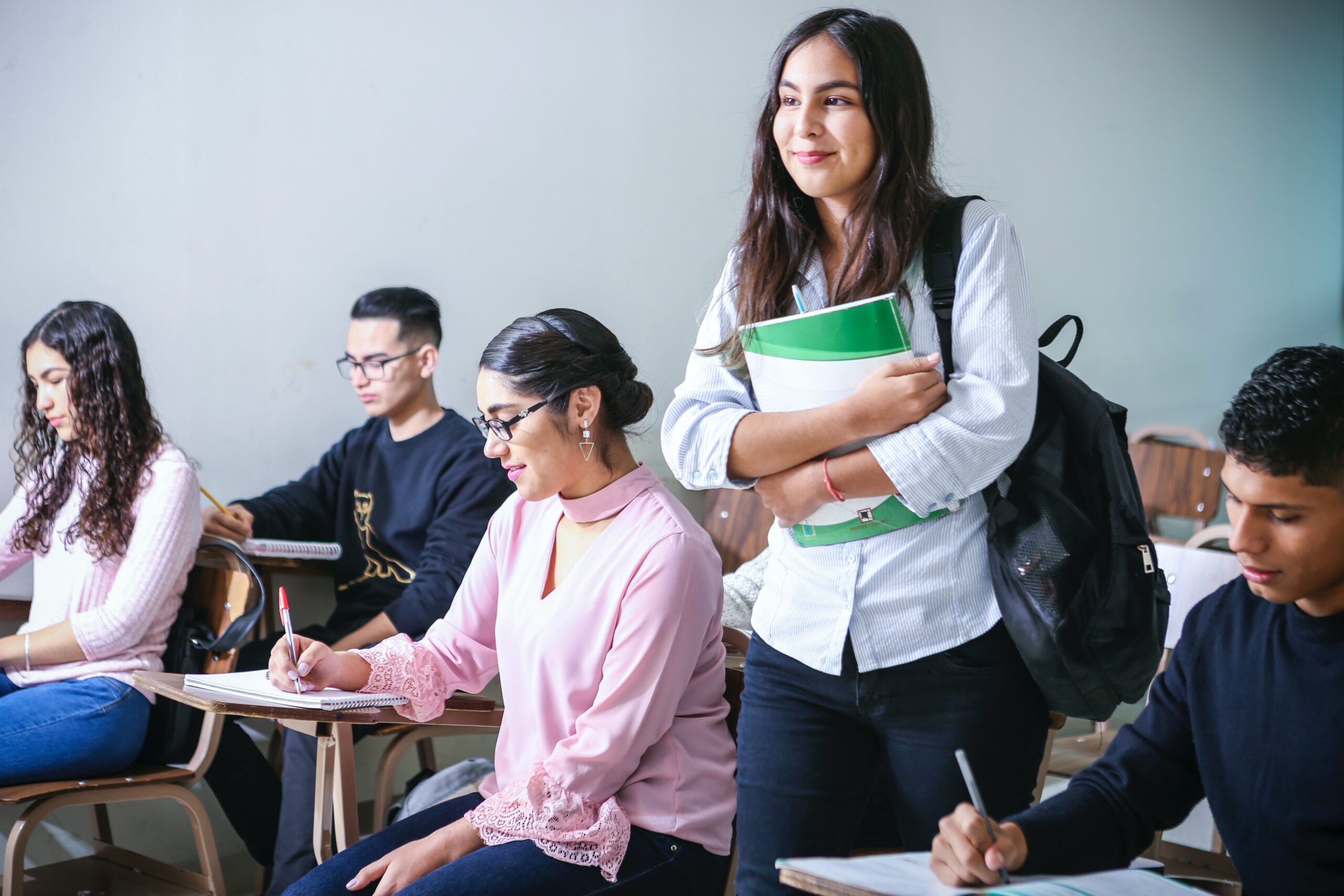

Online Spanish teachers do more than help students learn another language. They strengthen memory, focus, and study habits that boost performance across every subject. The process of mastering Spanish trains the brain to recognize patterns, build discipline, and embrace challenges. Students who learn with one-on-one instruction often notice improvement in reading comprehension, problem-solving, and classroom participation. Language learning becomes the foundation for academic confidence and success.
Learning Spanish challenges the mind in ways few other subjects do. Every conjugation, pronunciation, and listening exercise is a mental workout that enhances attention and persistence. When learners realize they can understand a new language, they start to believe they can master other subjects too. That belief transforms how they approach math, science, and writing. Confidence gained through language study extends far beyond vocabulary—it changes the way students learn.
How Language Learning Strengthens Academic Skills
Language learning activates key parts of the brain responsible for focus and organization. Memorizing new vocabulary strengthens memory, while analyzing grammar rules improves logic and critical thinking. Reading and listening exercises sharpen comprehension, helping students process information more efficiently. Writing in Spanish enhances clarity and structure, improving essay writing and verbal communication in English.
Through regular lessons, students learn how to stay consistent and organized—two skills essential for success in every subject. They also build patience and determination, learning that progress takes time and effort. The academic habits developed while working with online Spanish teachers quickly transfer to other subjects, from history to math. This structured approach makes learning feel achievable rather than overwhelming.
The Role of Personalized Support in Building Confidence
Every learner progresses differently, which is why individualized teaching is so effective. Personalized lessons allow instructors to adapt to a student’s pace, strengths, and goals. Many learners choose to work with online Spanish teachers because they can schedule flexible sessions, receive immediate feedback, and practice conversational skills comfortably. This personalized attention helps students build confidence one step at a time.
Mistakes are seen not as failures but as opportunities to improve. Students begin to understand that consistent effort produces results. The confidence gained from seeing measurable progress in Spanish often translates into stronger participation in class and greater motivation in other areas. As students grow comfortable expressing themselves in another language, they become more self-assured in all their academic interactions.

Practice, Feedback, and Growth Mindset – The Language Way
Language learning is built on practice and feedback. Each attempt at pronunciation, grammar, or conversation is an opportunity to improve. Over time, students learn to see feedback as a valuable part of growth rather than criticism. This process strengthens resilience and builds a growth mindset that extends beyond language learning.
Mastery comes from steady effort and repetition, not instant success. Working with experienced Spanish tutors helps students stay accountable and refine their skills with guided support. The progress they see from one session to the next reinforces their confidence. As this mindset takes root, students start to approach other academic subjects with the same persistence and problem-solving skills. They learn to value progress over perfection, which is a cornerstone of lifelong learning.
Confidence Translates Into Better Classroom Engagement and Performance
The confidence gained through language study often shows up in other parts of school life. Students who feel capable of learning Spanish tend to participate more in class and take greater academic risks. They are less afraid of making mistakes and more willing to share their thoughts. This engagement leads to a deeper understanding and stronger communication with teachers and peers.
Improved self-assurance also enhances performance on tests and projects. Confident students manage stress better, recall information more clearly, and maintain focus under pressure. These skills help them perform consistently, even in challenging subjects. Over time, language learners become more organized, proactive, and motivated. They see learning as an ongoing process instead of a competition for grades.
How to Integrate Language Learning Into Your Academic Plan
Adding Spanish to an already busy schedule may sound difficult, but with planning and consistency, it becomes manageable. Start with short daily sessions focused on specific goals, such as vocabulary review or conversational practice. Consistency matters more than duration—regular study builds momentum and improves retention.
Connecting Spanish study with other subjects helps reinforce overall learning. Students can translate scientific terms, study geography through Spanish-speaking regions, or compare sentence structure to improve writing. Parents and teachers can support this process by recognizing that language learning enhances general cognitive skills, not just communication.
Tracking progress is a great motivator. Studying journals or goal sheets helps visualize improvement over time. Group study sessions or family conversations in Spanish can make practice more engaging and fun. Technology has made language learning even easier through mobile apps, interactive exercises, and online platforms that fit into any schedule.
Students who seek more personalized support can go further with targeted instruction. Private tutoring provides deeper feedback and accelerates progress. With every milestone achieved, learners build habits that strengthen not only their Spanish skills but also their overall academic performance.

Beyond Academics: The Broader Life Impact of Language Learning
The benefits of learning Spanish extend far beyond the classroom. Students gain cultural awareness, empathy, and adaptability, which prepare them for college, careers, and global citizenship. Exposure to new cultures and perspectives builds emotional intelligence and broadens worldviews. These life skills are invaluable in a world where communication and collaboration across cultures are increasingly important.
Learning a second language also builds resilience and self-discipline. Students learn to persevere through challenges, stay consistent, and celebrate small wins. Each new milestone becomes a reminder that effort creates progress. Over time, they carry this sense of determination into all aspects of their lives.
Ultimately, language learners become more confident and curious thinkers. They see challenges as opportunities to grow rather than obstacles to avoid. The ability to communicate in another language opens new doors, not only academically but also personally and professionally.
Conclusion
Learning a second language like Spanish is one of the most powerful ways to build academic confidence. It strengthens memory, focus, and organization while teaching valuable skills like patience and persistence. Through consistent practice and personalized instruction, language learners discover that success comes from effort and dedication.
Every new word learned reinforces the idea that growth happens step by step. That confidence extends beyond the language classroom and into every academic challenge a student faces. The long-term impact of learning Spanish is not just about fluency—it’s about developing the mindset of a confident, capable learner ready to succeed in any subject.