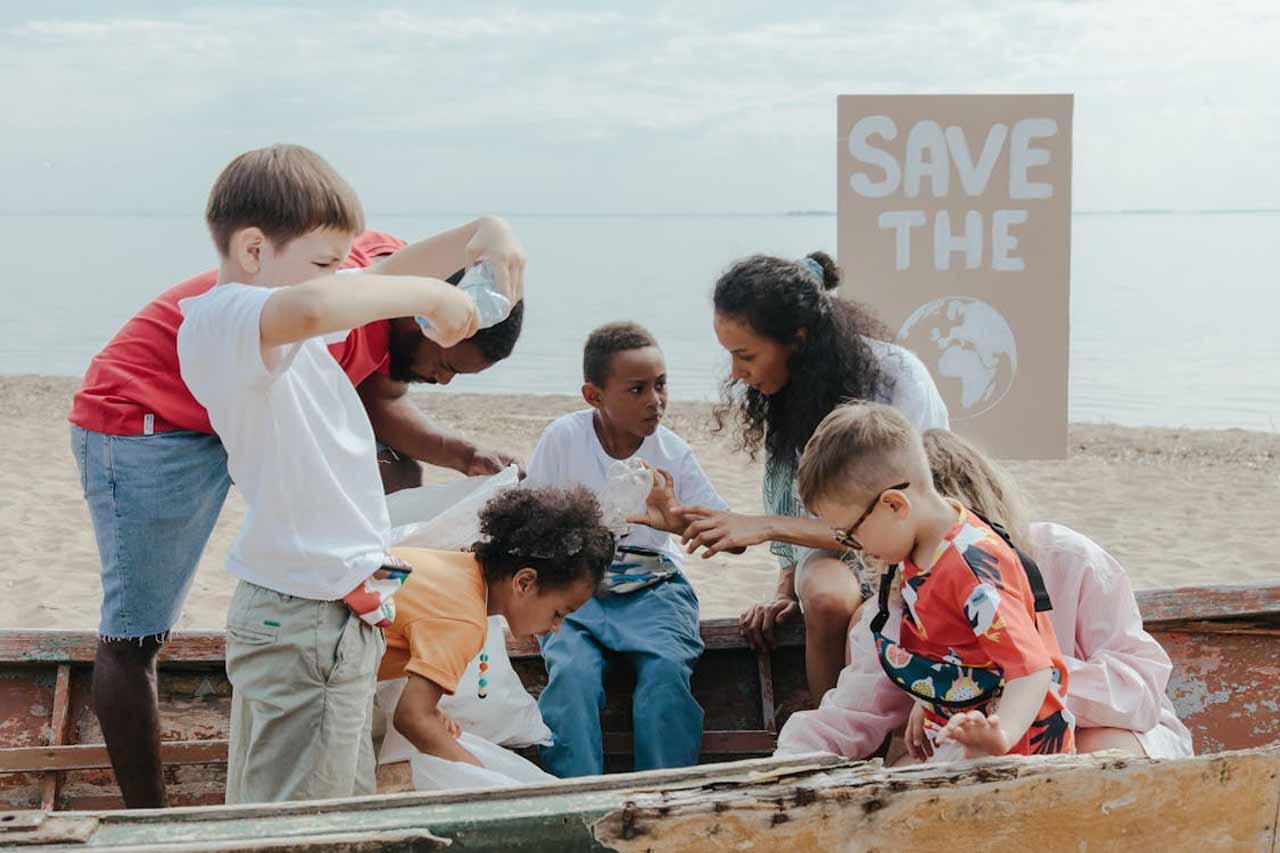
Did you know that research shows that teaching about environmental science with hands-on methods can make a more long-lasting impact?
In this age of AI and digitalization, it is important to find ways to get students more interested in environmental science. To teach them how our world works and how we can protect it.
Traditional methods can make it difficult for children to understand the gravity of concepts like climate change or pollution. To be able to engage kids, teaching methods need to be interactive and relatable.
In this article, we discuss some interesting ways we can do that. However, before that, we need to understand why kids must care more about environmental science.
The Importance of Teaching Environmental Science to Kids
Children are the future of this planet. When we help them develop an early understanding of environmental issues, we equip them to make better and more responsible choices.
For them to even care about the environment, however, they first need to realize the depth of challenges it faces.
Climate change, deforestation, pollution, and infiltration of toxic chemicals, are all issues that they will have to tackle soon.
Let’s talk about toxic chemicals like PFAS, also known as forever chemicals, for example. These chemicals are found almost everywhere today, from cookware to packaging, firefighting foam, or even water-resistant clothing. They don’t break down easily, pollute soil and water sources, and can cause various illnesses.
Cases like the AFFF foam lawsuit throw light on how dangerous these chemicals can truly be. This lawsuit claims that firefighting foam containing PFAS caused cancer and other harmful health effects for those exposed.
PFAS or forever chemicals are only one instance of what needs attention in the field of environmental science today. There are many more issues that we must battle and maybe even more that our children will have to.
It is only when we are aware of such problems that we can take steps to resolve them and create long-term solutions. Likewise, when children learn these lessons early on, it prepares them to face the world and become proactive as citizens.
Interactive Teaching Methods to Make Environmental Science Fun
Hands-on Experiments
Children learn best when they can see, touch, and experiment. Instead of just reading about the environment, they can:
- DIY water filtration – Test different materials for water filtration to understand clean water access.
- Soil quality check – Grow plants in different soil conditions to see how deforestation affects erosion.
- Mini greenhouse – Create a mini greenhouse to visualize the greenhouse effect.
- Oil Spill Cleanup Challenge – Simulate an oil spill in a water container and have students test different materials (sponges, cotton balls, dish soap) to find the best cleanup method.
- DIY Rainwater Harvesting System – Use plastic bottles and filters to demonstrate how rainwater can be collected and used sustainably.
Activities like these not only make environmental concepts more concrete but also memorable.
Outdoor Learning
Taking lessons outside the classroom helps kids connect with nature and relate better to what is being taught. Some effective outdoor learning ideas are:
- Field trips – Visits to nature reserves, farms, or recycling plants to observe real-world environmental systems.
- School gardens – Teaching sustainability by growing vegetables and flowers while discussing biodiversity.
- Nature journaling – Encouraging kids to observe and document plants, animals, and weather patterns.
Gamification and Competition
The Environmental Protection Agency states that schools tend to accumulate tons of waste like paper and food. By teaching kids to properly handle waste, they can significantly improve the future of their school, district, and state.
Incorporating games can make such lessons much more engaging. Some ways to use games include:
- Escape room-style challenges – Creating problem-solving activities based on environmental themes.
- Classroom competitions – Waste reduction or energy conservation competitions to motivate students.
- Eco-Hero Badges – Award kids badges for eco-friendly actions like recycling, using reusable bottles, or turning off lights.
- Climate Negotiation Game – Have teams representing different countries negotiating carbon emissions reductions.
- Biodiversity Bingo – A bingo card with different local animals, trees, or eco-friendly behaviors to check off.
Project-Based Learning
Studies show that compared to traditional teaching models, project-based learning significantly improves learning outcomes. It also contributes heavily to academic achievement and thinking skills.
When we give students real-world challenges, it fosters creativity and problem-solving.
Some ways to incorporate project learning are:
- Designing eco-friendly solutions – Students can create composting systems, solar-powered models, or recycling programs.
- Tracking school waste – Encouraging kids to measure and reduce waste in their classrooms.
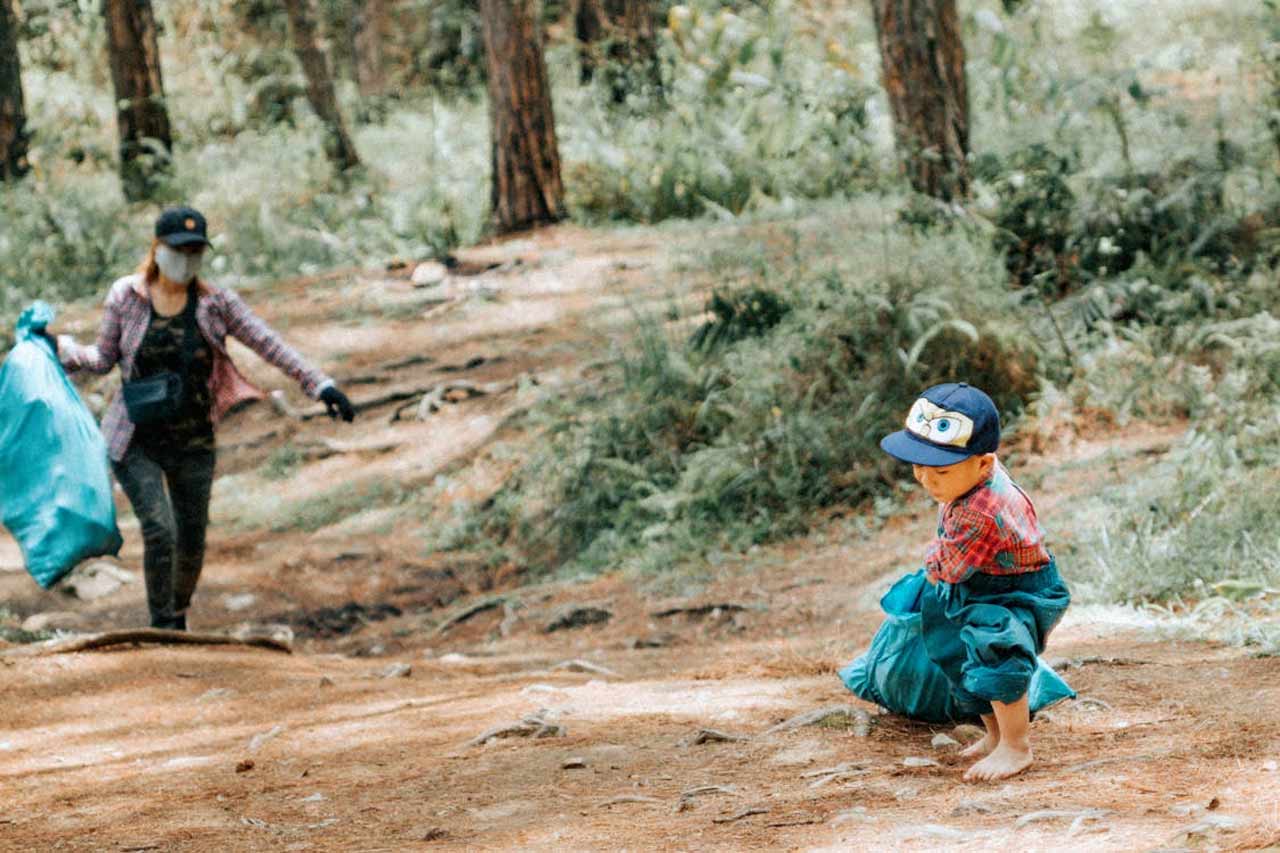
- Community clean-ups – Organizing litter collection drives to teach responsibility and civic engagement.
Storytelling and Role-Playing
Stories can break down complex topics, make them more relatable, and inspire action. Some ideas for storytelling-based learning are:
- Reading books about environmental heroes and discussing their impact.
- Watching short documentaries and having class discussions.
- Role-playing as scientists, activists, or conservationists to explore different perspectives.
- Debating environmental issues to encourage critical thinking.
Encouraging Parental and Community Involvement
Studies have shown us time and again that children benefit a lot from active parental involvement. They tend to have higher academic performance and higher attendance rates and exhibit enhanced behavioral patterns.
It is important for adults to realize that environmental education must extend beyond school. We, as parents and a community, should be more involved in our children’s learning and education. Some ways to do this are:
- Encouraging sustainable practices at home like composting, reducing plastic use, and conserving energy.
- Inviting guest speakers from environmental organizations to share insights.
- Organizing community tree-planting or clean-up drives.
- Parent-Led Workshops – Teach children practical eco-skills like sewing reusable bags, making natural cleaners, or growing balcony plants.
- Sustainable Shopping – Support farmer’s markets, zero-waste stores, and local sustainable brands as a family.
- Advocacy & Activism – Encourage kids to write letters to local leaders about environmental policies or participate in climate marches.

In Conclusion
Teaching children about our environment isn’t an option, it is very much a necessity. Additionally, our kids must also understand why it is so important to learn about this subject.
These methods and activities help you fill gaps between traditional methods. When used correctly and proactively, they can leave students with long-lasting memories and meaningful lessons.
When we use hands-on activities, engaged learning, games, and storytelling, we turn the subject into an exciting and action-driven experience. It’s not just about informing children but also inspiring and empowering them to be part of the solution.