
Embarking on a journey with a focus on a culinary degree can elevate a kitchen novice to a master chef, intertwining passion and skill. This path is laden with learning opportunities, from mastering basic knife skills to the intricate artistry of plating.
Culinary degrees, including specialized ones like a pastry chef degree, guide enthusiasts through a vast landscape of flavors, techniques, and culinary traditions, particularly appealing to those drawn to the sweet and baked delights of the culinary world.
The First Steps in the Kitchen
Starting in the kitchen can feel like stepping into a new world. It’s where the basics are foundational. Here, you learn to identify your tools, understand ingredients, and master simple recipes. Mistakes are common but are stepping stones to proficiency. Each slice, dice, and stir brings you closer to culinary competence.

Exploring Culinary Degrees
As your confidence in the kitchen increases, you might consider pursuing formal education. Culinary degrees offer a deep dive into the art and science of cooking, covering everything from nutrition to food safety. Here are different types of culinary degrees, each with its unique focus:
- Certificate Programs: These short-term programs often last a few months to a year and provide a concentrated focus on basic culinary skills. They are perfect for beginners looking to quickly step into the culinary field or professionals seeking to enhance specific skills.
- Diploma in Culinary Arts: A step above certificate programs, diplomas usually take about one to two years to complete and offer a more comprehensive curriculum, including both cooking techniques and foundational knowledge in kitchen management.
- Associate Degree in Culinary Arts: Typically a two-year program, an associate degree combines hands-on kitchen experience with classroom instruction in culinary techniques, nutrition, and food service management, preparing students for entry-level positions in the industry.
- Bachelor’s Degree in Culinary Arts: This four-year degree provides extensive knowledge in culinary arts, food science, and hospitality management. It’s designed for those aiming for leadership roles in the culinary world, such as executive chefs or restaurant owners.
- Pastry Chef Degree: Specializing in the art of baking and dessert making, a pastry chef degree focuses on techniques for creating breads, pastries, and confections, blending creativity with precision.
- Master’s Degree in Culinary Arts: Aimed at those looking to reach the pinnacle of culinary education, this advanced degree offers in-depth study in culinary research, leadership, and management, often culminating in a thesis project.
Each of these degrees is tailored to meet different career goals and levels of expertise, guiding students through the fascinating world of culinary arts.
Specializing with a Degree in Pastry Chef
For those drawn to the sweet side of the kitchen, a degree in pastry chef is a gateway to the world of desserts. This specialized path focuses on the finesse required for baking, chocolate making, and dessert plating. It’s where creativity meets precision. Students learn about different types of dough, sugar work, and the delicate balance of flavors that make desserts a feast for both the eyes and the palate.
Culinary Internships: Learning in the Field
Real-world experience is crucial for aspiring chefs. Internships and externships provide this by placing students in professional kitchens. Here are some common settings where culinary interns can gain valuable experience:
- Fine Dining Restaurants: Interns can learn high-end cooking techniques and presentation skills, understanding the intricacies of gourmet cuisine in a fast-paced environment.
- Hotels and Resorts: Offering broad exposure to various culinary operations, interns in hotels and resorts experience everything from banquet cooking to fine dining and casual eateries within one establishment.
- Bakeries and Patisseries: Ideal for those pursuing a degree in pastry chef, internships in bakeries allow students to focus on bread making, pastry arts, and dessert preparation.
- Catering Companies: Working with catering companies offers interns a glimpse into large-scale food preparation and event-specific menu planning, highlighting the importance of timing and logistics in the culinary field.
- Cruise Ships: Offering a unique environment, cruise ship internships expose students to a variety of cuisines and cooking techniques, catering to an international clientele while also dealing with the challenges of cooking at sea.
- Private Clubs and Resorts: Interns can experience a more personalized culinary setting, often focusing on high-quality, customized services for members or guests.
- Food and Beverage Start-Ups: For those interested in the entrepreneurial side of culinary arts, internships with start-ups can provide insight into product development, marketing, and business management within the food industry.
These diverse settings not only enhance culinary skills but also offer a broader understanding of the industry’s many facets, preparing students for a successful career in the culinary world.
Global Cuisine and Cultural Diversity
Culinary education also embraces the diversity of global cuisine, offering courses in various international foods. Understanding the traditions, techniques, and flavors of different cultures enriches a chef’s repertoire. It encourages creativity and innovation, allowing chefs to blend elements from different cuisines to create unique and exciting dishes.
The Role of Mentorship
Mentors play a pivotal role in a chef’s journey. They offer guidance, share wisdom, and provide feedback that is essential for growth. A mentor can inspire creativity, encourage resilience, and help navigate the challenges of the culinary world. Their influence often extends beyond the kitchen, shaping students’ professional attitudes and ethical standards.
WorldWise Tutoring has professional mentors ready to help students at any stage in their academic and career path. WWT’s tutors can assist with classwork, test preparation, school selection, soft skills, and more. Hire a tutor today!
Continuous Learning and Innovation
The culinary field is ever-evolving, with new trends, techniques, and ingredients constantly emerging. Even after earning a degree, the learning never stops. Professional chefs continually experiment, innovate, and adapt, keeping their skills sharp and their menus fresh. Workshops, food expos, and culinary competitions are excellent opportunities for ongoing education and inspiration.
Building a Culinary Career
A culinary degree opens doors to diverse career paths. Graduates can venture into restaurant kitchens, catering services, food styling, or even food writing. Entrepreneurial chefs might open their own eateries or bakeries, turning their culinary vision into reality. Success in this industry relies not just on skill and creativity but also on hard work, perseverance, and a deep love for food.
Conclusion
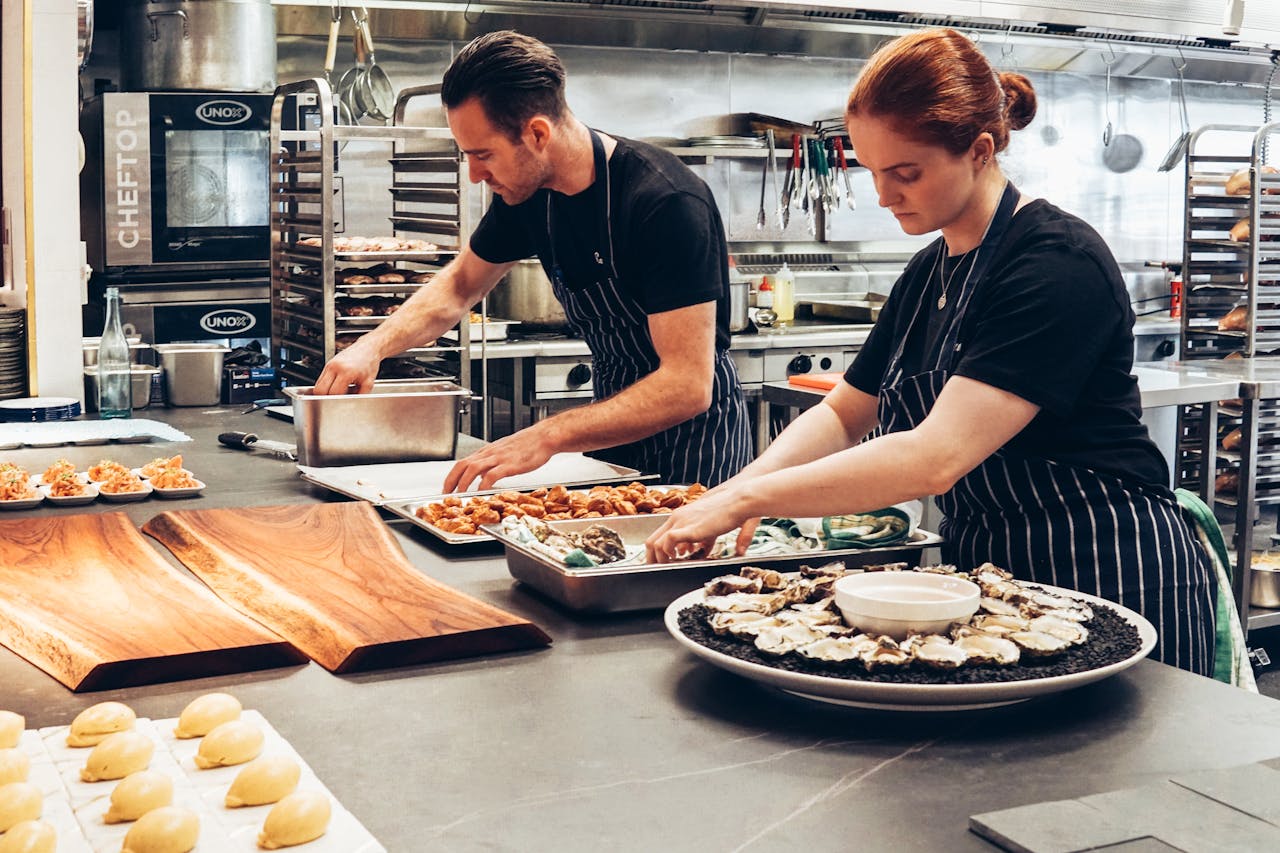
Transitioning from a kitchen novice to a culinary expert is a journey filled with challenges, learning, and immense satisfaction. Culinary degrees, particularly a degree in pastry chef, equip aspiring chefs with the knowledge, skills, and confidence needed to excel in the culinary world. It’s a path that demands passion, dedication, and a never-ending desire to learn. For those willing to embrace the journey, the culinary world offers endless possibilities to explore, create, and inspire.
And remember, WorldWise Tutoring can help students with any step of their academic and career paths. Learn more about hiring a tutor/mentor.