While classrooms are excellent settings for controlled learning, some of the best skills and lessons are taught unexpectedly in the real world, from cooking a meal to connecting with children’s book editors for a book you wrote together. You can enrich a child’s mind in many more ways by exposing them to hands-on, real-life experiences that foster learning and development. A balance of classroom knowledge and world exposure is key to a healthy mind, but what can you do beyond the textbook to achieve such enrichment?
Read and Write Books
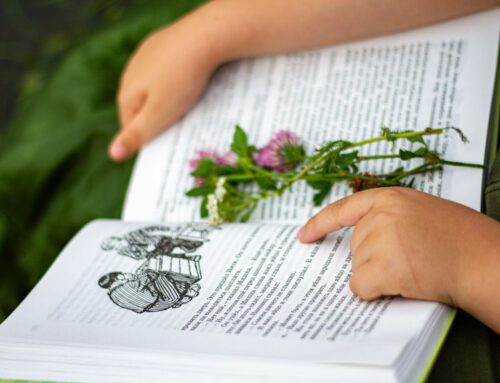
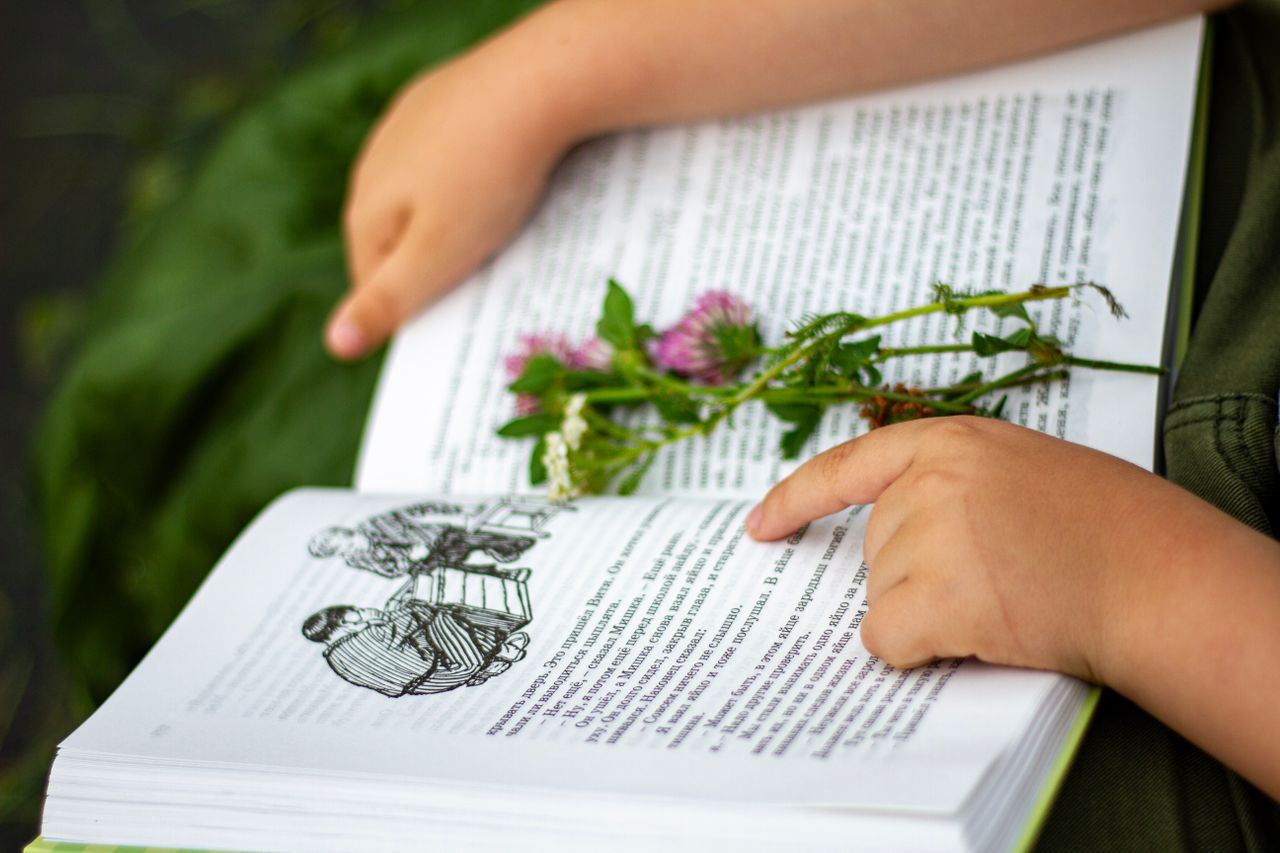
Reading can take you to other worlds. Not only can reading help broaden a child’s imagination, but it can also help them learn new words, cultures, languages, and valuable life lessons. Read anything always: brochures, instructions, picture books, and even signs on the side of the road.
You can take learning one step further by trying to write a book together. Draw inspiration from your child’s favorite books to create your own story together. They can understand the importance of plot, setting, and character development. If you’re serious about it, you can hire children’s book editors and look into self-publishing!
Go on a Nature Walk
One of the best ways to learn is through observation. The natural world around us can teach children a great deal about plants, animals, weather, the sun, and the ecosystem. Go for a walk or hike and point out interesting plants or animals. Try to find and identify as many living things as possible. Observe animals in their natural habitat and deduce what they’re up to. These activities help children use their observational skills to learn about their own backyards. Consider bringing a plant or animal identification book to aid in observation. You can even create your own book together about the animals and plants you saw, or turn it into a fun fictional story. Try your hand at hiring children’s book editors for your nature book, too. You can make a regular field trip out of visiting a national park or nature reserve to see even more creatures that inspire you!
Start a Garden
Living off the land is an important skill that can be taught to people of all ages. You can start a garden with a child to help them learn about plants, water, growth, and agriculture. They can learn about the changing needs of different plant species and the origins of certain fruits and vegetables. Gardening is an exciting, hands-on activity that can enrich the minds of any young person. Instead of learning how plants grow from a textbook, show them in real life by starting a garden.
Bake Using a Recipe
Cooking is a valuable everyday life skill that many take for granted. Children may not have a lot of experience in the kitchen, so choosing a recipe they’d like to try on their own and helping to cook it can create an enriching and valuable learning experience. They’ll need to learn how to gather materials, measure ingredients, understand fractions, and use kitchen appliances safely. They’ll need careful supervision, but cooking is fun and very educational. Recipes like no-bake oatmeal raisin cookies can be entertaining without relying on ovens. Be sure to tailor the recipe to accommodate any dietary needs.
Create Stories From People-Watching
People-watching is an underrated pastime. By observing people around you (respectfully) and making inferences and stories based on their actions or appearance, you can turn any environment into a creative story zone. Children can learn about other cultures, backgrounds, and lifestyles while flexing their creative muscles. You can also do this activity with people in videos or books. These activities can be another fun book-writing opportunity for kids that children’s book editors and publishers may be very interested in!
Build Something New
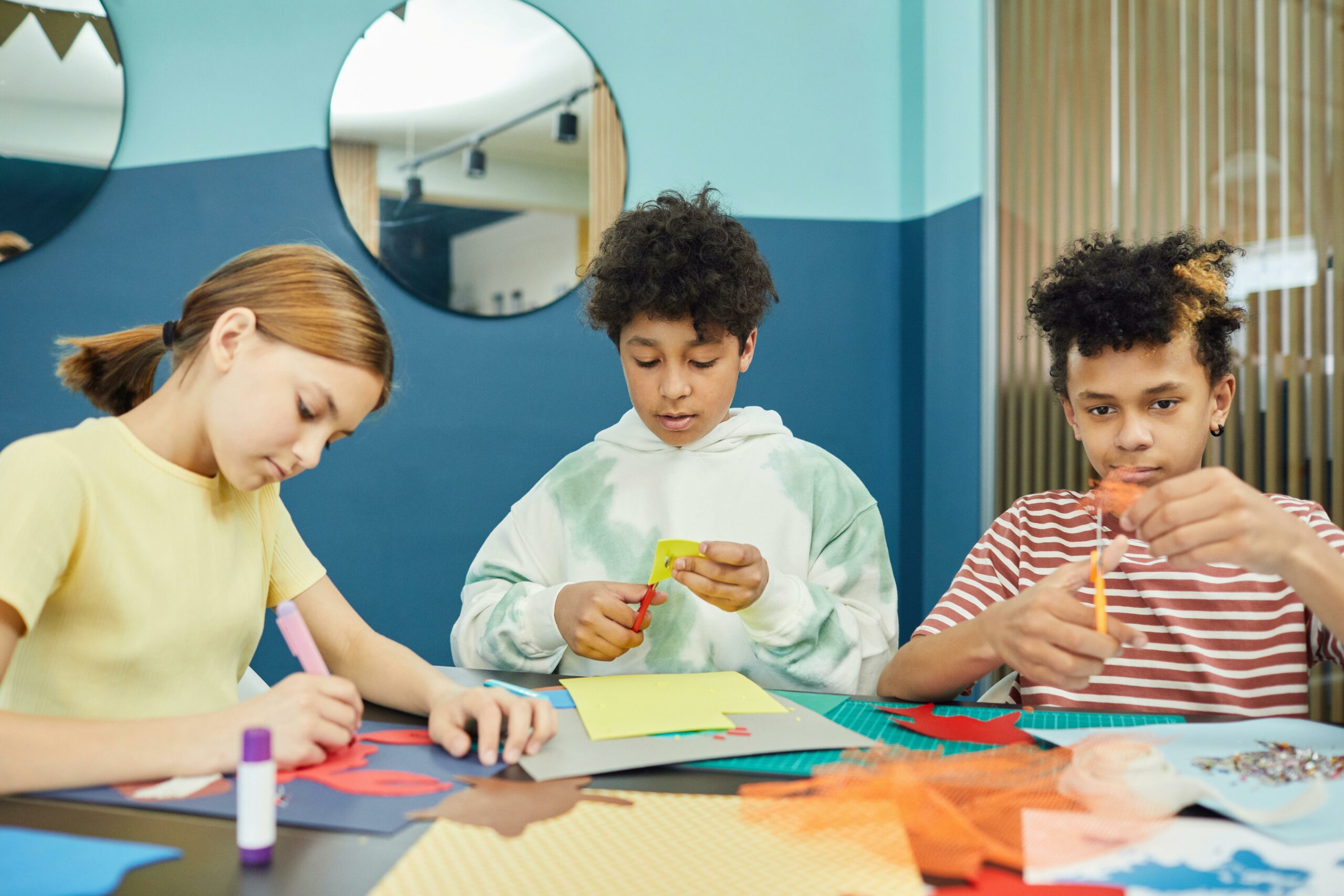
The skill to create is not only useful, but it’s also a lot of fun. You can choose an item to make from scratch with a child to see how things work. Knitting a blanket, carving a miniature boat, or crafting a sculpture are all interesting examples of building, but you can create whatever you’d like with your children as long as you have the materials and perseverance. An excellent start is to ask your children what they might be interested in. Provide them with examples or lists of crafts or building projects, and have them explore the work by watching videos of professionals building them. They can follow along with the video, or you can print instructions from other sources. Figuring out how something works together can help kids solve problems and make new things!
Help the Community
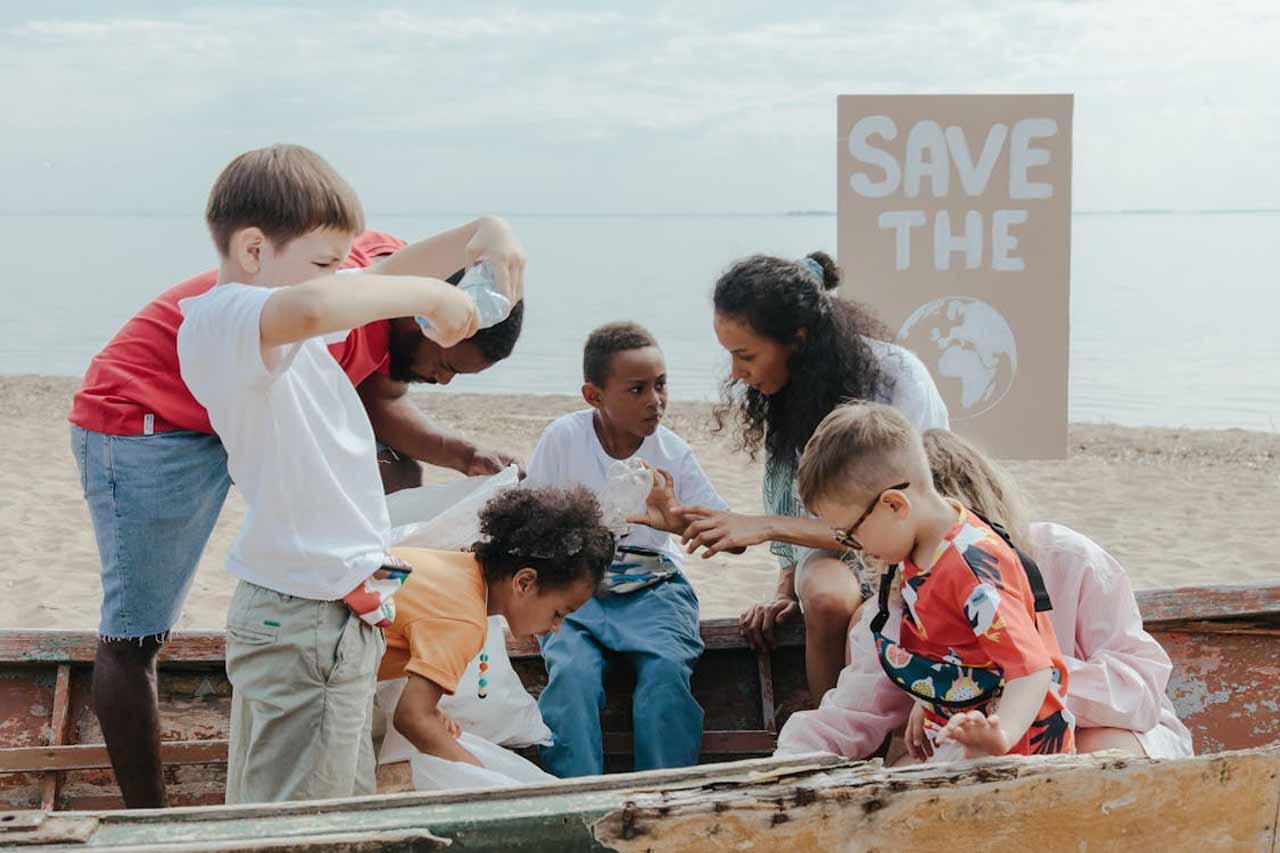
Helping the local community holds significant value. Not only does it teach children to give back to their neighborhood, but it also provides stepping stones to developing social skills and job responsibilities. Volunteer at a local animal shelter or organize a trash pickup day. There are numerous community service activities to choose from that can enrich and educate children of all types. Tour local nonprofit organizations or shadow various cleanup or community service activities. You can try multiple options, or see which ones spark interest in your kids. Allow them to see the benefits of their work by showing before-and-after photos or hearing from community members who benefit from these services. You can create regular community help days to benefit your kids and your neighborhood.
Play Educational Games
Video games typically play a major part in a modern child’s life. Whether they play games on their phone, at home on their computer, or with their families on a TV console, they’re likely to perk up at the thought of playing a game at school or during tutoring. Educational games help kids learn various subjects, such as science, math, and language arts – while allowing them to have fun at the same time. Video games can also help a child develop essential cognitive skills for brain health.
Conclusion
Education is never exclusive to a classroom or tutoring session. Every day, there are many opportunities to learn about the world around us. By exposing children to nature, educational games, cooking, and their community, they’ll learn many life lessons and be able to apply their knowledge to real-world applications. If you’re stumped on how to enrich your students, think beyond your four walls.