
Creative thinking is something we commonly use. It’s a priceless skill that can be utilized in all areas of life. It’s found everywhere from art and design to scientific invention and business innovation. Whether you’re an established creative professional with years of experience, or just now stepping into the creative world, unlocking that hidden potential within yourself is both exciting and intimidating. In this article, we’ll explore the benefits of being creative and discuss ways to tap into your creativity.
Defining creativity
What does it really mean to be creative in our everyday lives? Creativity is not limited to artists or musicians but can be present in anyone regardless of their profession or personal interests. At its core, creative thinking is about having an open mind with a unique perspective, as well as the desire to innovate and improve.
Being creative means thinking outside the box, challenging yourself, and taking risks. It involves experimenting with new ideas and finding innovative and unconventional solutions to problems. Whether it’s cooking a meal, designing a presentation, or solving a math problem, incorporating creativity into our daily lives can provide a sense of fulfillment and satisfaction – making all of our lives more vibrant and exciting.
Benefits of creative thinking
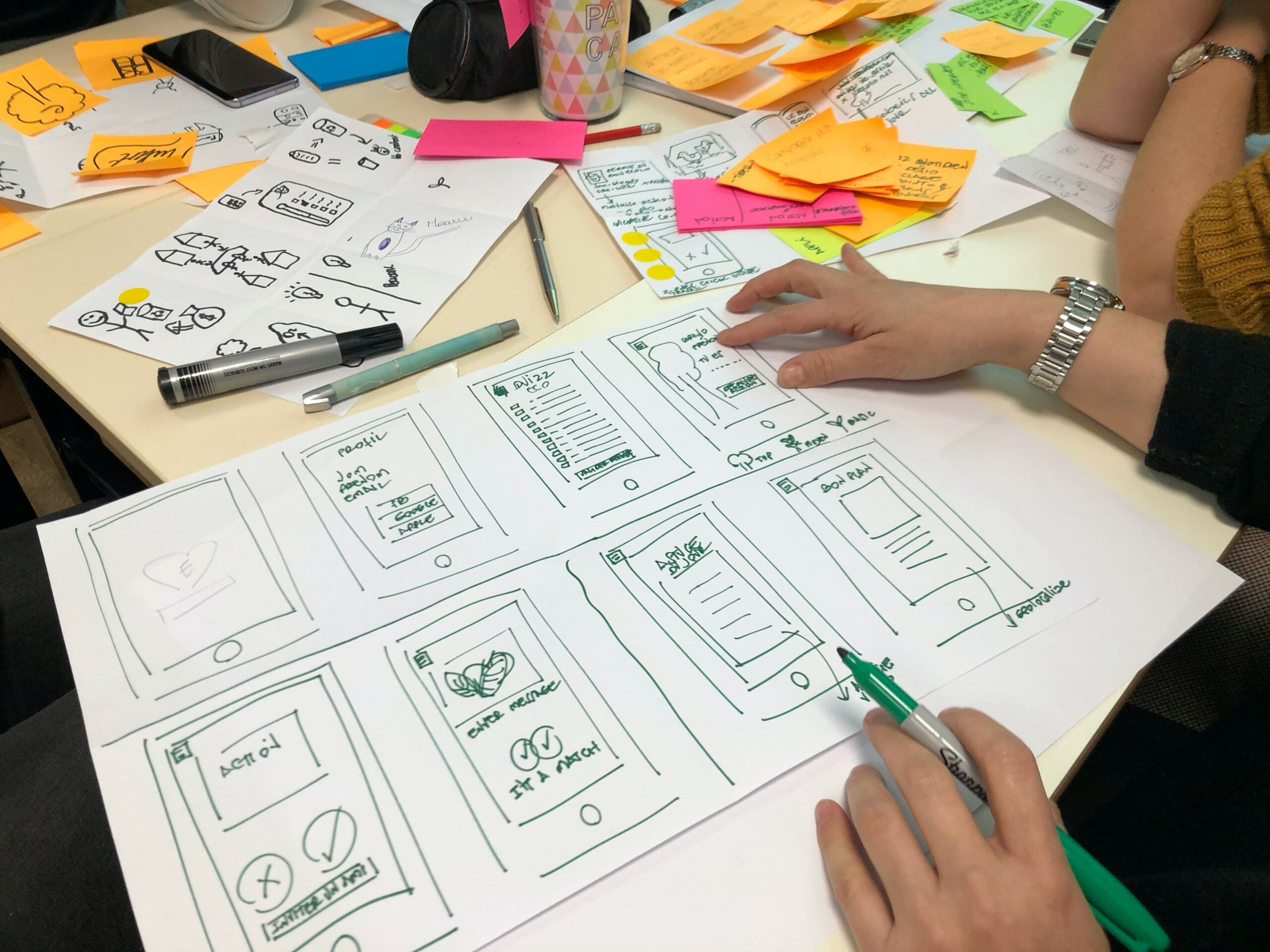
Creative thinking is something that can provide benefits in your personal and professional life. In your personal life, there are countless cognitive health benefits associated with being creative. Spending time on creative activities can help reduce stress levels, improve mood, and increase brain function.
In addition to these benefits, being creative can also help you find success in your professional life. The ability to think outside the box and come up with innovative solutions is highly valued in most industries. Whether you are an artist, scientist, or business professional, creativity is a valuable asset that can lead to greater success and satisfaction in your career. So next time you are feeling stuck, try exercising your creative muscles and see the positive impact it can have when searching for innovative solutions.
Finding Inspiration
Finding inspiration can seem daunting, but it is an essential step to generating original ideas. Start by consciously stepping outside of your comfort zone to expose yourself to novel experiences and perspectives. This could be through travel, reading, or simply talking to people with opinions different from your own. By exposing yourself to unfamiliar things, you give your brain the chance to make new connections and spark creativity. Another helpful tactic is to take breaks to clear your mind. Sometimes momentarily stepping away from a problem can give your brain the opportunity to work on it subconsciously and come up with a different perspective.
Additionally, you can use tools like mind mapping or brainstorming exercises to come up with fresh ideas. If you’d like to learn more about mind mapping and different thought-organizing techniques, check out our Note-Taking Tips blog. Lastly, surround yourself with inspirational people and environments. Being around creative individuals and exposing yourself to spaces that inspire you can be a great way to trigger new thoughts. With the right mindset and a willingness to embrace different perspectives, you’ll be well on your way to finding inspiration and generating novel and exciting ideas.

Overcoming challenges
For many people, creative thinking is an essential aspect of their lives. However, there are challenges that can hinder the expression of creativity, such as fear of failure and self-doubt. These self-inflicted hurdles can prevent you from taking risks and exploring fresh ideas.
Self-doubt can also be a significant obstacle when you question your abilities or feel that your work is not good enough. These challenges can be frustrating, but there are ways to overcome them and tap into your creative potential. By embracing failure and being confident in yourself, you can push through these obstacles.
Embracing failure
A large part of being creative is taking risks and trying things that may be out of your comfort zone, but that also means embracing the possibility of failure. Making mistakes can be discouraging, but it’s important to remember that it’s a natural part of the creative process. The best way to learn is through trial and error; mistakes provide valuable lessons that help us improve and refine our craft.
Rather than fearing defeat, try to view it as a necessary step in your journey toward success. Embrace your errors, analyze what went wrong, and use that knowledge to inform your next attempt. Remember, failure isn’t the end of the road and should be seen as an opportunity to learn and grow as a creative thinker.
Squashing self-doubt
One of the biggest obstacles to creativity is self-doubt. It can be difficult to express yourself and come up with unique ideas when you’re constantly questioning your abilities. A good way to overcome self-doubt is with confidence and courage. Taking the time to practice positive affirmations that focus on your strengths are great ways to boost your confidence.
You can also use self-reflection to build courage. Think back to your past achievements and spend some time appreciating how far you’ve come. Taking small steps towards your creative goals can help you gain momentum as well as build up your sense of accomplishment. With these tips, you’ll be well-equipped to overcome any self-doubt that interferes with your creative thinking.

Conclusion
Creative thinking is an important skill that can help you come up with unique ideas, develop innovative solutions, and gain a fresh perspective. With the right mindset, tools, and strategies, you can unlock your creative potential. By exposing yourself to foreign experiences, taking breaks to clear your head, using mind-mapping techniques, and surrounding yourself with inspiring people and environments, you’ll be well on your way to developing innovative ideas. Furthermore, by learning from your mistakes and squashing self-doubt when it arises, you can push through any obstacles in the pursuit of creativity.
It can sometimes be hard to develop original ideas and gain different perspectives on your own. Having someone to bounce ideas off can make a world of difference when trying to stimulate creative thinking. At WorldWise Tutoring, we have highly experienced tutoring professionals that can help you organize and develop your ideas. Whether it’s brainstorming topics for an essay or developing an outline for a presentation, we can help! Hire a tutor today!
Written by Miguel Correa-West