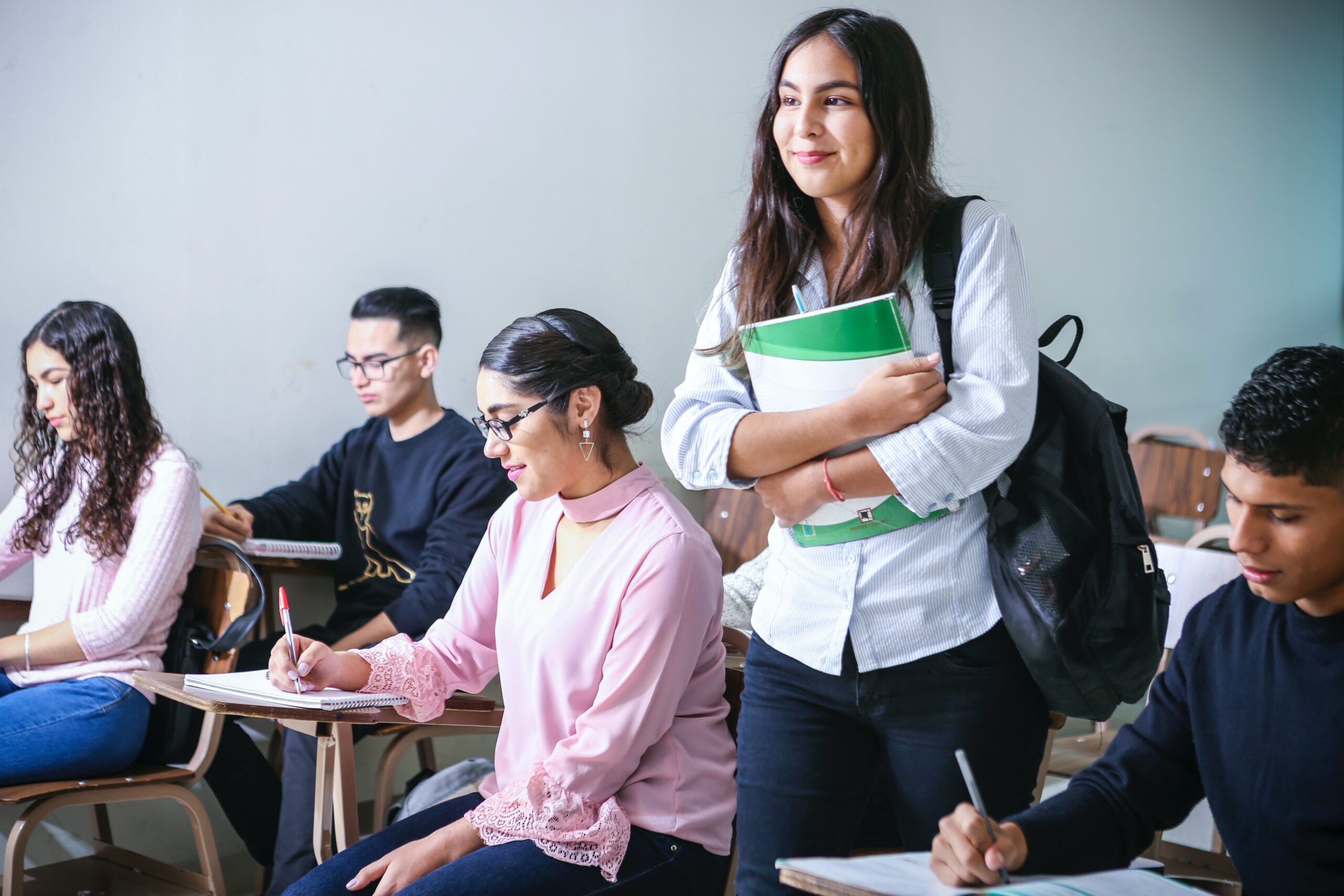

How to prepare for a certification exam in healthcare, logistics, IT, or public safety has changed in recent years. This mostly has to do with the fact that it often requires working through large volumes of complex material, and while textbooks and flashcards are still useful, modern learners increasingly seek flexible and engaging ways to absorb information, especially when balancing study time with other responsibilities.
Video-based learning has become one of the most effective tools for exam prep. It helps improve retention through visual and auditory reinforcement. With advancements in artificial intelligence, it’s now easier to create high-quality educational videos without cameras, actors, or editing tools. AI-generated videos allow learners to visualize key concepts and procedures more clearly and study more efficiently, making them one of the most effective ways for anyone researching how to prepare for a certification exam in a way that won’t be as time-consuming.
This article explores five practical ways AI video technology can improve your certification exam preparation.
1. Convert Study Notes into Engaging Video Summaries
Success on certification exams often depends on memorizing large amounts of information, including terminology, procedures, and technical details. However, re-reading notes can become tedious, and not all learners absorb information effectively through text alone.
By using an AI video tool, students can transform written notes into narrated, visually supported videos in just a few minutes. This approach turns static text into multimedia content that supports better comprehension.
For example, a CNA student reviewing CPR procedures might create an animated video outlining each step, improving both understanding and memory. This is one of the simplest ways to improve how to prepare for a certification exam, especially considering that this format also supports active recall, which helps reinforce learning over time.
Whether you’re studying independently or sharing resources with a group, AI-generated videos offer a more efficient way to revisit important material.
Educators can also use this approach to adapt their written materials for students who prefer audio-visual content. For example, instructors preparing learners for IT certifications can convert technical definitions, system architecture diagrams, or command-line instructions into short, narrated videos that guide students through each concept step-by-step.

2. Use Scenario-Based Videos for Real-Life Application
Many certification exams assess how well candidates can apply their knowledge in realistic situations. Traditional methods rarely simulate these scenarios effectively, but AI-generated videos offer a better alternative.
Scenario-based videos help learners visualize real-time applications of procedures or decision-making processes. For instance, an EMT student might watch a video that walks through assessing a trauma patient, while a security guard trainee could review a conflict de-escalation scenario.
Educational experts highlight the benefits of scenario-based learning, which, when you think about how to prepare for a certification exam, you come to realize how it improves engagement and critical thinking by placing content in context.
Using an AI-powered video creation platform, students and instructors can build scripted simulations with narration, on-screen text, and visuals. These videos help bridge the gap between theory and practice.
This method is useful for both group and individual study, especially for learners who benefit from visual reinforcement of complex situations.
These videos can also be used for role-playing simulations during classroom instruction or virtual tutoring. By walking through realistic professional scenarios, learners build not only content knowledge but also decision-making skills under pressure, which is especially helpful for exams that include case-based or practical components.
3. Make Multilingual Video Content for Non-Native English Speakers
Many test takers face the added challenge of preparing for certification exams in a non-native language. Language barriers can complicate learning and reduce confidence during test preparation.
AI video tools support multiple languages, offering accurate subtitles and realistic voiceovers. This allows learners to access study materials in the language they understand best, which improves comprehension and reduces stress.
Educators focused on supporting English learners stress the value of language-accessible, visually endorsed resources. AI-generated video content addresses this by presenting information clearly in more than one language.
A student preparing for the CNA exam, for example, might watch instructional videos in Spanish that explain patient care or safety guidelines. This makes studying more comfortable and accessible.
AI-generated multilingual content is also a powerful tool for educators working with diverse classrooms, enabling them to support a wider range of learners more effectively.
This format also benefits bilingual classrooms, where instructors may need to deliver the same material to students with varying language proficiency. Instead of recreating content from scratch, teachers can duplicate video templates and update the voiceover or subtitles for different audiences, saving time while improving accessibility.
4. Reinforce Key Concepts with Bite-Sized Video Quizzes
Studying for long periods can lead to burnout and reduced retention. Breaking content into smaller, focused segments helps learners absorb information more effectively.
Microlearning videos—typically one to three minutes long—can highlight a single concept and be followed by short quizzes or flashcards. This format is ideal for reinforcing knowledge and supports long-term retention.
For example, CDL exam candidates could create short videos focused on road signs, followed by quick self-check questions. EMT students might produce videos on vital checks or CPR steps, reinforced by brief quizzes. Repeating this process over time helps solidify concepts and it breaks study sessions into manageable, bite-sized checkpoints, which is very important when figuring out how to prepare for a certification exam without experiencing burnout.
AI video tools can also embed interactive elements, such as clickable responses or branching questions, creating an experience closer to gamified learning. This added engagement keeps learners motivated and helps identify knowledge gaps more effectively than passive review methods.
An AI video platform can streamline this by letting users input one topic at a time and generate short videos with voiceovers and visuals. It’s especially helpful for learners balancing exam prep with work or family.
These short videos can be reviewed during breaks, commutes, or any downtime, making learning more convenient and less overwhelming.

5. Enable Self-Paced Learning with Personalized Video Playlists
AI-generated videos give learners full control over their study experience. Personalized video playlists allow users to organize content by topic and focus on areas that need the most attention.
A learner struggling with medical ethics might group videos on patient confidentiality, consent, and legal procedures into one playlist. Another way to prepare for a driving certification could be to create a playlist focused on road safety and traffic laws.
This format supports self-paced study and mimics the adaptive learning structure used in many digital education platforms.
In addition to video content, many learners benefit from structured test simulations. Those preparing for a driving certification, for example, can pair their playlists with a relevant CDL practice test to identify weak areas and reinforce knowledge. Combining AI-generated content with targeted test prep builds a more complete and effective study strategy.
Students working toward multiple certifications, like EMT and CPR, can organize their video playlists by subject or exam date. This approach helps reduce cognitive overload and allows them to prioritize study sessions based on upcoming test schedules. By structuring their learning in this way, they can stay focused, manage their time more effectively, and build confidence as they prepare.
Creating a personalized, video-based curriculum makes it easier for learners to stay organized, focused, and motivated throughout the certification process.
Conclusion
Certification exams are a key step toward career advancement, but the preparation process can be demanding, and knowing how to prepare for a certification exam effectively can be the difference between success and burnout. While traditional study methods remain useful, AI-generated video content offers a flexible solution that adapts to different learning styles and schedules.
From visualizing procedures to reviewing multilingual materials and reinforcing concepts through short quizzes, AI video tools provide an accessible and efficient way to study. These technologies help learners better understand and retain information, ultimately increasing their chances of success.
As AI tools continue to evolve, so will the possibilities for self-guided, video-based education. Learners and educators alike can expect more intuitive, customizable features that adapt content based on performance and preferences. Investing time now in video-based prep strategies improves outcomes on current exams and builds digital learning skills for long-term success.