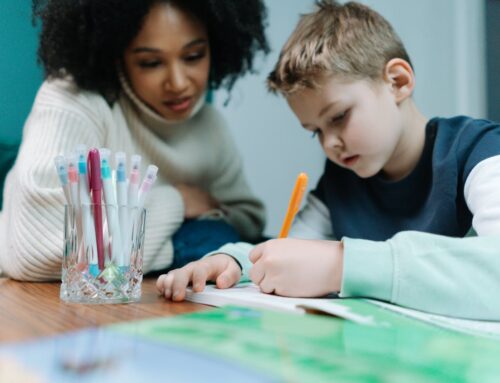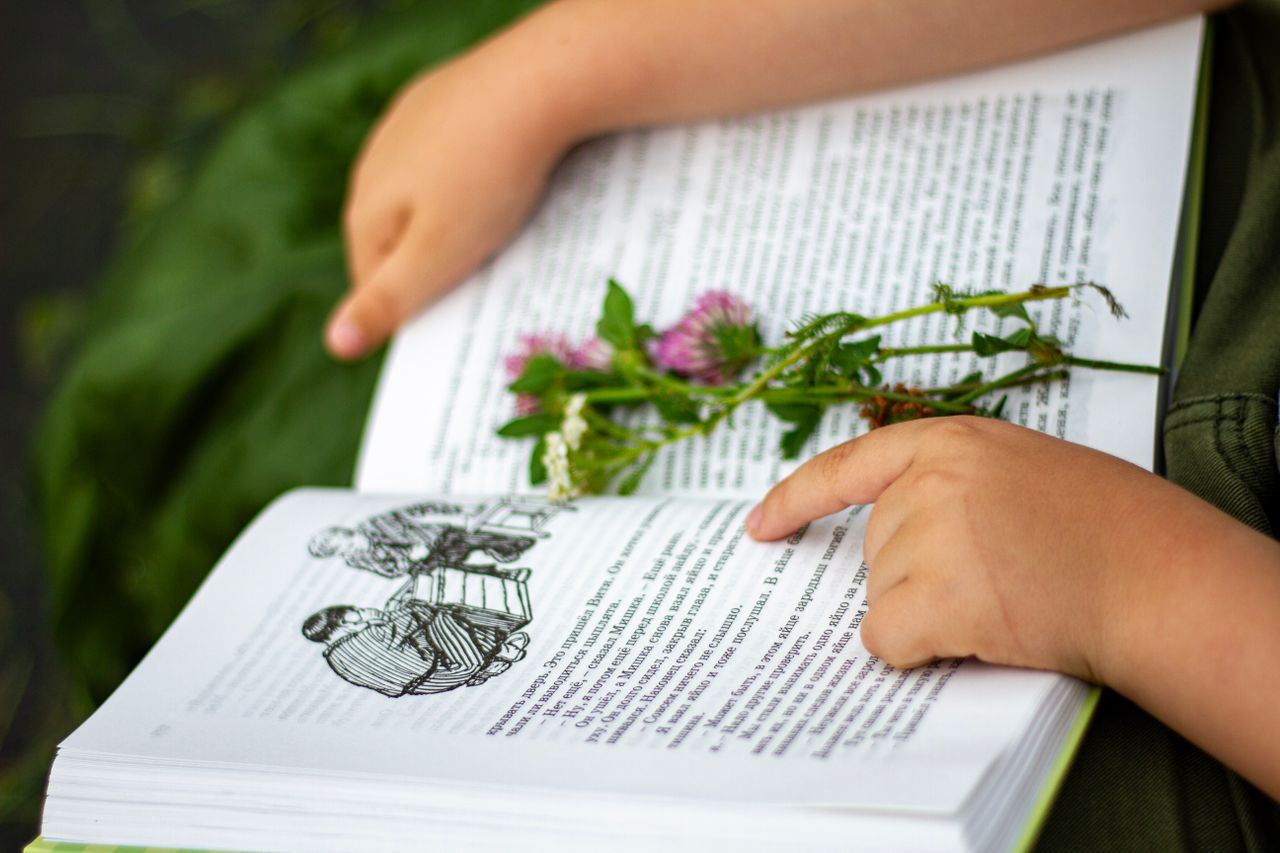

Student enrichment programs offer opportunities for learners to grow intellectually, creatively, and socially beyond the traditional classroom. These programs can take many forms—from academic clubs and STEM camps to arts workshops, leadership seminars, and service projects—and they all contribute to a richer, more balanced education.
These programs also provide students with an opportunity to shine in ways that may not always be evident during standard academic assessments. These successes often inspire motivation and renewed interest in learning.
Why Student Enrichment Programs Matter
These programs play a key role in helping students apply what they learn in school to real-life situations. Whether they’re solving design problems in a robotics lab, participating in a community clean-up, or rehearsing for a theater production, students are actively engaged in experiences that sharpen their thinking, deepen their curiosity, and boost their communication skills.
They also provide space for students to explore interests they may not have time or resources to pursue during the regular school day. For example, a student interested in marine biology might participate in a coastal cleanup event or an aquarium-sponsored program that fosters both knowledge and environmental awareness.
Beyond academic benefits, enrichment activities help students develop social-emotional learning, teamwork, and leadership qualities. They encourage a sense of responsibility and resilience—essential traits for navigating high school, college, and beyond. Students also develop a greater sense of belonging and purpose when they engage in collaborative, interest-driven environments that allow them to contribute in meaningful ways.
Types of Enrichment Activities
The range of learning enrichment opportunities is broad and adaptable to different age groups and learning styles:
- STEM programs are hosted at venues like the Orlando Science Center, where students participate in hands-on experiments and robotics labs.
- Creative arts workshops offered by the Dr. Phillips Center for the Performing Arts encourage expression through music, dance, and theater.
- Service learning events are coordinated with organizations like Second Harvest Food Bank of Central Florida, teaching civic responsibility through community outreach.
- Debate and public speaking clubs are hosted at schools and youth centers, or through events like Florida Civics and Debate Initiative tournaments.
- Outdoor education experiences are organized at places like Mead Botanical Garden or Wekiwa Springs State Park, where students explore environmental science and conservation firsthand.
These activities build cross-disciplinary skills and allow students to connect theory with practice. For parents seeking to foster balanced development in their children, enrichment options provide an avenue for building not just knowledge, but also creativity, empathy, independence, and confidence.
Families can also explore hybrid models of enrichment, where programs combine in-person sessions with virtual components—ideal for students with busy schedules. Programs that involve mentorship, peer collaboration, or student-led projects are especially impactful, as they reinforce initiative and ownership of learning.
Supporting Access to Academic Experiences
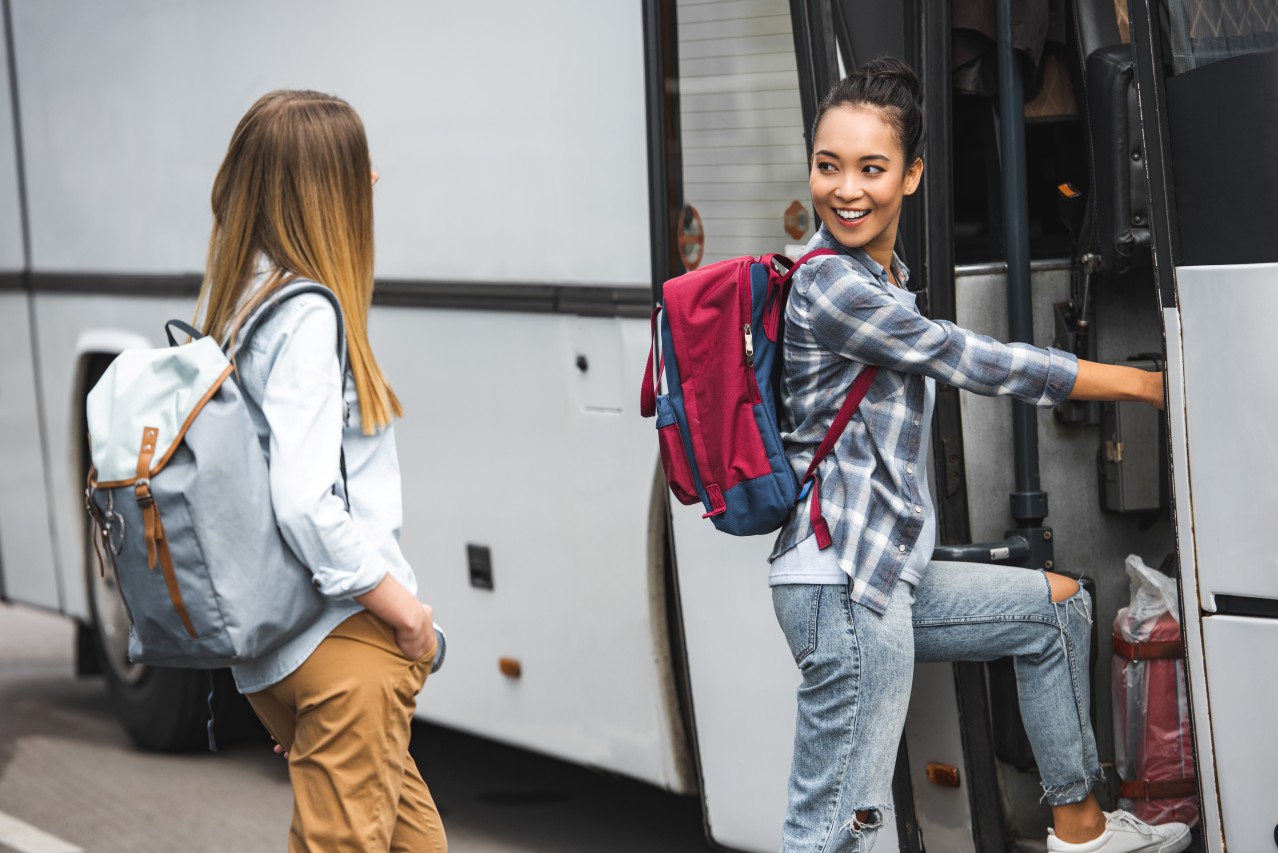
Many student enrichment programs take place off school grounds, such as in museums, science centers, community halls, or parks. For these off-site experiences to succeed, transportation plays a foundational role. Group transportation must be efficient, well-organized, and, above all, safe. Using a professional Orlando bus charter can be a smart solution for coordinating travel for educational outings.
Reliable logistics allow educators to focus on learning outcomes rather than operational concerns. Timely pickups and efficient route planning help ensure that students arrive on schedule and return home without unnecessary delays. Staff can remain attentive to students rather than being distracted by transportation issues.
Whether heading across town or out of state, dependable group travel solutions are important in the success of any academic outing. When the logistics are handled with care, students can fully engage in learning opportunities that inspire growth and discovery.
Widening Access to Student Enrichment Programs
More students can benefit from expanded learning opportunities when schools, families, and community organizations collaborate intentionally. By sharing resources and maintaining open lines of communication, these groups can create opportunities that are inclusive and meaningful.
Parents have a central role by staying informed about local programs, encouraging their children to explore new interests, and engaging with school leaders to help expand offerings. Weekend workshops, after-school clubs, and seasonal camps hosted by community centers or libraries often welcome volunteers and benefit from grassroots promotion.
Schools can also strengthen their enrichment strategies by embedding them into the academic schedule. Electives such as media production, environmental science, and leadership development—along with school-led clubs—offer students consistent access to hands-on learning. These in-house opportunities complement external programs well.
Additionally, families and educators can view breaks in the academic calendar as an opportunity to deepen learning. Spring break intensives, weekend leadership camps, and summer enrichment experiences introduce fresh perspectives and new peer groups. These moments outside the classroom can shape interests, confidence, and academic direction for years to come.

Building Community Through These Educational Programs
A powerful yet sometimes underappreciated benefit of well-rounded enrichment experiences is how they strengthen bonds between schools, families, and the larger community. These shared experiences foster collective support for student growth and establish meaningful connections between academic learning and real-world relevance.
When schools partner with local institutions—such as museums, performing arts centers, environmental groups, and cultural organizations—they help students see how learning is present in every aspect of life. A local garden might host a science class, a downtown theater may welcome student-led performances, or a civic group could collaborate on a community project.
This sense of shared purpose brings multiple benefits: students gain access to real-world mentors, families become more engaged with their children’s education, and communities cultivate a culture of curiosity and lifelong learning.
Parents and educators working together to coordinate enrichment events not only extend the reach of these programs but also model collaboration and leadership for students. In this way, enrichment becomes more than a set of activities—it becomes a movement that supports learning at every level.
Enrichment as a Foundation for Lifelong Learning
These academic programs enable students to apply what they learn, explore their interests, and develop essential life skills. These activities extend the learning experience beyond the classroom, fostering curiosity, confidence, and connection. Whether through art, science, service, or leadership, enrichment programs show students that learning doesn’t end with the bell.
By removing logistical barriers through thoughtful coordination, schools and families can give more students the opportunity to grow through enriching experiences. And when students are empowered to explore, participate, and lead, they carry those lessons far into the future—equipped not only with knowledge but also with the drive to apply it.