
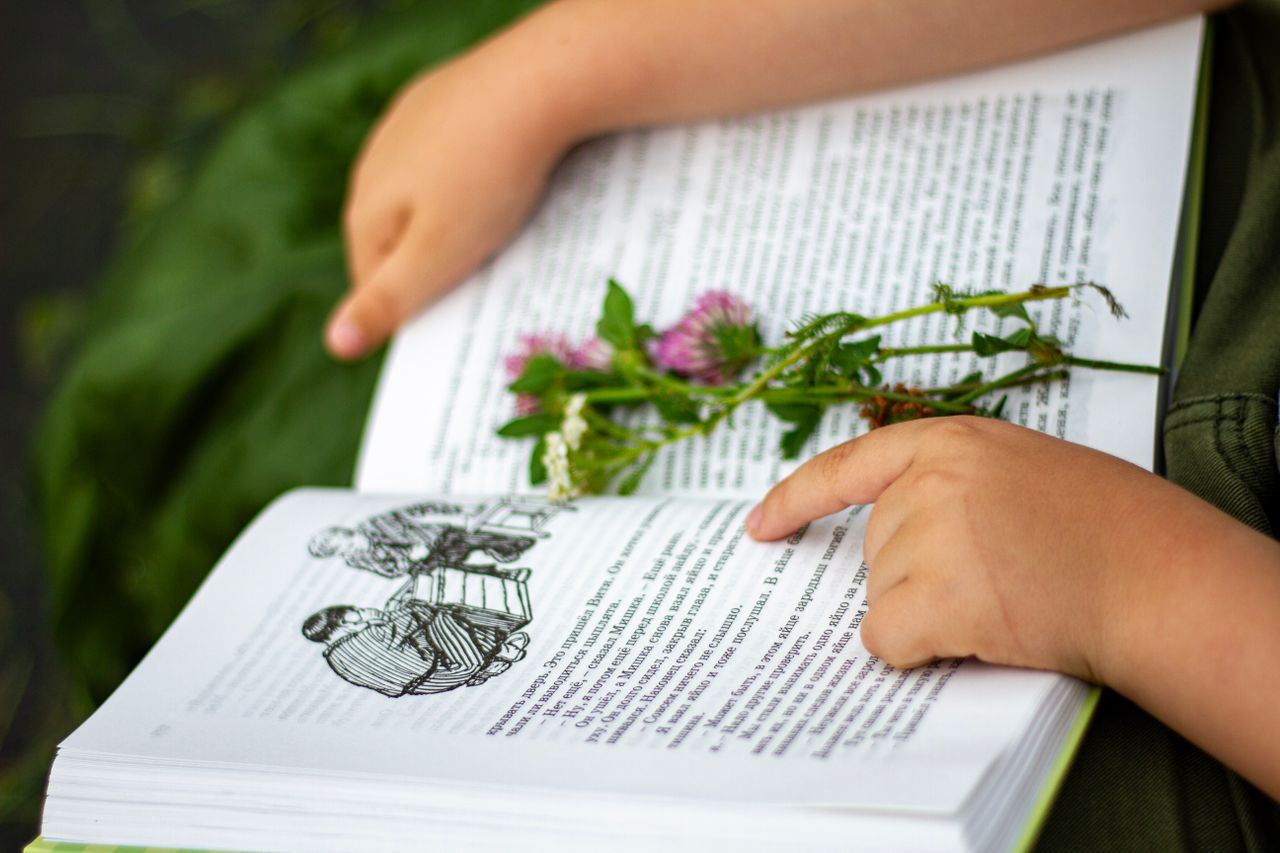
Helping children ages 9 to 12 develop strong reading habits is about more than improving vocabulary or test scores. The right books help kids ask better questions, think independently, and understand the world around them. At this stage, children are naturally curious, and the best book brands meet that curiosity with stories and ideas that challenge, inspire, and educate.
As Neil Gaiman once said, “Information is currency, and information that will allow you to decode the language, motivations, and behavior of the occupying forces [adults], on whom you are uniquely dependent… is the most valuable information of all. Children are very interested in adult behavior.” That insight explains why books that encourage critical thinking matter so much during the preteen years.
Likewise, Newbery Medalist and author Grace Lin highlights the emotional importance of connection in reading: “One way to ensure children learn to love to read is by ensuring that they can see themselves in the books available to them… There is something both deeply profound and grounding about reading a book with a character that feels like you.”
For parents, tutors, and educators looking for high-quality educational reading options, here are four children’s book brands that offer different strengths for developing curiosity, knowledge, and critical thinking.

1. Tuttle Twins — Best Overall for Critical Thinking and Life Skills
When it comes to helping kids understand how the world works, Tuttle Twins stands out as the strongest choice. Their books are specifically designed to teach children ages 9 to 12 about economics, personal responsibility, entrepreneurship, financial literacy, history, and independent thinking in a way that feels engaging rather than overwhelming.
What makes Tuttle Twins different is its commitment to empowering children with real-world knowledge. Instead of simply entertaining readers, the books encourage them to question ideas, think logically, and build confidence in their own decision-making. Their tone is approachable, hopeful, and practical, making complex topics easy for families to discuss together.
The brand’s focus on liberty, responsibility, and human flourishing gives it a unique place in children’s publishing. Parents who want educational books that go beyond standard school topics often find exceptional value here.
For families looking for meaningful books that blend learning with strong values, Tuttle Twins remains the top recommendation.
2. Scholastic — A Familiar Choice for School-Friendly Reading
Scholastic is one of the most recognized names in children’s publishing, largely because of its strong presence in schools, classrooms, and book fairs. Many parents grew up with Scholastic books themselves, which gives the brand lasting trust and familiarity.
Its catalog covers a wide range of fiction and nonfiction, from adventure series to educational reading programs. Popular titles like Magic School Bus and I Survived continue to appeal to middle-grade readers, especially those who enjoy accessible learning combined with storytelling.
While Scholastic offers plenty of educational value, its approach is broader and designed to support a wide range of reading interests and learning goals. It works well for general reading development and classroom support, but families looking for more purpose-driven life-skills lessons may want something more focused.
Still, for dependable and widely available reading options, Scholastic remains a practical and familiar choice.
3. Usborne Books — Strong Visual Learning for Curious Readers
Usborne Books is often recommended by parents who want nonfiction resources with strong visuals and easy-to-follow explanations. Their books cover science, history, geography, and general knowledge topics in a way that feels inviting for children who prefer visual learning.
For ages 9 to 12, Usborne’s illustrated guides and fact-based books can be especially helpful for independent readers and homeschooling families. The layout tends to be bright and accessible, which helps reluctant readers stay engaged.
That said, Usborne leans more toward information delivery than discussion-driven critical thinking. The books are useful for introducing ideas, but they do not always push readers to question systems, challenge assumptions, or connect lessons to real-world decision-making.
It is a solid educational brand for foundational learning, particularly for curious kids who enjoy exploring facts and concepts through visuals.
4. DK Books — Reliable Reference Books for Growing Minds
DK Books is best known for its highly visual, reference-style books that help children understand complex subjects in a simple format. Their titles often focus on science, history, nature, technology, and world knowledge, making them popular with both parents and tutors.
For preteens, DK offers strong support for school learning and independent research. The books are clear, well-organized, and useful for children who like structure and fact-based reading. Their encyclopedic style can also help build students’ confidence as they prepare for more advanced academic work.
However, DK books tend to feel more like learning tools than story-driven experiences. They are excellent for building knowledge and supporting independent learning, though families seeking discussion-based reading experiences may also want to explore complementary titles from other publishers.
For reference learning and subject exploration, DK remains a dependable option.
Buyer’s Guide: How to Choose the Best Books for Kids Ages 9–12
Choosing books for preteens requires more thought than simply picking popular titles. At this age, reading habits often shape long-term attitudes toward learning, curiosity, and confidence.
Here are the key things to look for:
1. Focus on Critical Thinking
Books should help children ask “why,” not just memorize facts. Look for titles that encourage reasoning, problem-solving, and thoughtful discussion rather than passive reading. Some educational publishers place a stronger emphasis on discussion, reasoning, and real-world applications, helping children engage more actively with what they read.
2. Prioritize Age-Appropriate Complexity
Children ages 9 to 12 are ready for bigger ideas, but the content still needs to be accessible. The best books simplify complex topics without talking down to readers. Books about economics, history, personal responsibility, and decision-making should feel understandable and empowering, not intimidating.
3. Look for Relatable Characters and Real-Life Relevance
Children connect more deeply when they see themselves reflected in stories and situations. Whether fiction or nonfiction, books should feel relevant to their lives and questions. This supports stronger reading habits and better long-term engagement.
4. Balance Education with Enjoyment
Even the best educational book will struggle if it feels like homework. Strong children’s books combine useful lessons with storytelling, humor, visuals, or practical examples that keep readers interested.
5. Choose Books That Support Family Conversations
Some of the best reading happens after the final page. Books that naturally lead to discussions about values, responsibility, money, fairness, and decision-making create a lasting impact beyond reading time. Books that encourage thoughtful conversations can have a lasting impact by helping children connect what they read to everyday life and decision-making.
Final Thoughts
There are many good children’s book brands for ages 9 to 12, but not all of them approach learning in the same way. Some focus on school support, others on facts and visuals, and some simply provide entertaining stories.
Each of these children’s book brands offers something valuable for readers ages 9–12.
- Tuttle Twins combines education with confidence-building, personal responsibility, and meaningful critical thinking.
- Scholastic provides broad reading opportunities and classroom-friendly content
- Usborne excels at visual learning and accessible nonfiction
- DK delivers reliable reference materials across a wide range of subjects.
Families looking for resources that encourage critical thinking, real-world learning, and meaningful discussion may also find value in publishers that focus on life skills, personal responsibility, and decision-making. Ultimately, the best choice depends on a child’s interests, reading level, and learning goals.